Understanding how to use reflectors in video is essential for achieving professional lighting and enhancing the overall quality of your footage. Proper use of reflectors can transform an ordinary shot into a visually compelling scene by controlling light and shadow effectively.
This guide provides comprehensive insights into the different types of reflectors, techniques for their optimal use, and creative ways to incorporate them into various filming scenarios. Whether you are a beginner or looking to refine your skills, mastering reflector usage is a valuable step toward exceptional video production.
Overview of Reflectors in Video Production
Reflectors are versatile tools in video production that significantly enhance lighting quality by manipulating available light sources. Their primary purpose is to bounce, diffuse, or redirect light onto a subject, ensuring optimal illumination and reducing unwanted shadows. This technique is essential for achieving professional-looking footage, especially in scenarios where natural or existing lighting is insufficient or uneven.
Using reflectors provides several benefits, including improved image clarity, better color rendering, and enhanced depth in the shot. They allow filmmakers and videographers to control light without the need for extensive lighting setups, making them a cost-effective and portable solution. Reflectors are particularly useful for outdoor shoots, interviews, and close-up shots, where natural light plays a vital role in the overall aesthetic.
Types of Reflectors and Their Uses
There is a variety of reflector types, each designed to fulfill specific lighting needs and scenarios. Understanding their characteristics helps in selecting the appropriate reflector for different filming conditions. The most common types include:
| Type of Reflector | Characteristics | Ideal Usage | Advantages |
|---|---|---|---|
| Silver Reflector | Highly reflective surface that produces bright, intense light with a sharp, specular quality. | Situations requiring maximum brightness, such as outdoor shoots or when creating dramatic highlights. | Delivers a strong, crisp reflection; suitable for high-contrast lighting. |
| White Reflector | Soft, neutral bounce that diffuses light evenly without adding color. | General shading, fill light, and softening shadows in indoor and outdoor settings. | Creates natural-looking light; versatile and gentle on skin tones. |
| Gold Reflector | Warm-toned surface that adds a golden hue to the reflected light. | Enhancing skin tones in outdoor shoots, sunset shots, or creating a warm glow. | Provides a flattering, golden light; ideal for fashion and portrait work. |
| Black Reflector (Flag) | Absorbs light, creating shadows or reducing reflections. | Controlling light spill, deepening shadows, or reducing reflections on shiny surfaces. | Offers precise control over lighting; useful for creating contrast or mood. |
Each reflector type serves a unique purpose, and the choice depends on the desired lighting effect and environmental conditions. For example, a silver reflector might be preferred for outdoor shoots needing bright fill, while a white reflector is suitable for softer, more natural lighting indoors.
Best Practices for Choosing the Right Reflector
Effective use of reflectors hinges on selecting the right type for specific scenarios. Consider the following factors:
- Lighting Conditions: In bright sunlight, a silver or gold reflector can maximize light bounce, whereas a white reflector offers softer fill in shaded or indoor settings.
- Subject Skin Tone: Warm-toned reflectors like gold enhance warmer complexions, while white reflectors provide a neutral glow suitable for all skin types.
- Environmental Control: Use black reflectors to block or subtract light, particularly when needing to deepen shadows or prevent unwanted reflections.
- Portability and Setup: Lightweight, collapsible reflectors are convenient for quick adjustments on location, while larger, more durable ones suit studio shoots.
The goal is to complement the existing lighting environment with a reflector that enhances the subject without overpowering the scene or introducing unwanted color casts.
Assessing the lighting scene and understanding the desired artistic effect are vital for choosing the appropriate reflector. An experienced videographer often carries a range of reflectors to adapt swiftly to changing conditions and achieve the best visual outcome.
Types of Reflectors and Their Uses
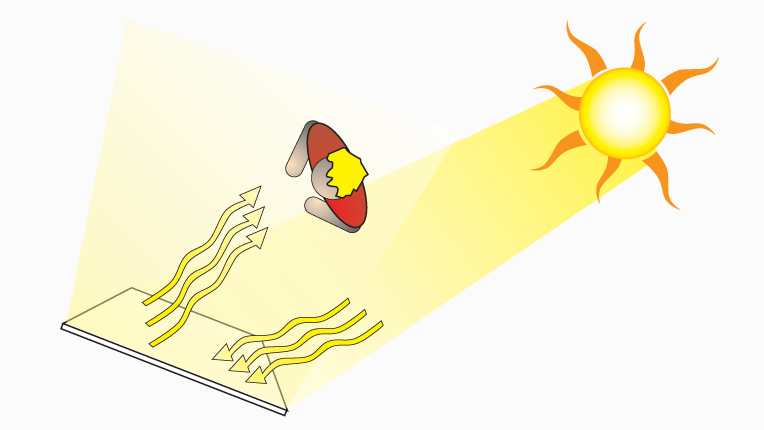
Understanding the various types of reflectors available in video production is essential for achieving specific lighting effects and enhancing image quality. Different reflector materials have unique properties that influence how light is reflected, allowing videographers and filmmakers to tailor their lighting setups to match the scene’s requirements and the desired visual mood.
Choosing the appropriate reflector material depends on factors such as ambient lighting conditions, the nature of the subject, and the creative intent. Familiarity with common materials like silver, gold, white, and aluminum enables filmmakers to make informed decisions, ensuring optimal light reflection and achieving professional-looking results in diverse shooting environments.
Common Reflector Materials and Their Uses
Each reflector material offers distinct reflective qualities that influence the tone, intensity, and color of the reflected light. Recognizing the characteristics and ideal scenarios for each material helps in selecting the right reflector for specific filming situations.
Below is an overview of common reflector materials, their typical applications, and ideal scenarios where they excel:
- Silver: Known for its high reflectivity and bright, crisp light, silver reflectors produce a concentrated and intense reflection. They are particularly effective in low-light conditions or when a sharp, detailed illumination is required.
- Gold: Gold reflectors impart a warm, golden hue to the reflected light, ideal for enhancing skin tones and creating a cozy or romantic atmosphere. They are often used during sunset shoots or to add a warm glow to indoor scenes.
- White: White reflectors provide soft, diffuse light with minimal color influence, making them versatile for general use. They are suitable in situations where a natural, neutral fill light is desired, such as interviews or close-up shots.
- Aluminum: Aluminum reflectors are lightweight and durable, offering a balance between reflectivity and cost-effectiveness. They produce a neutral, broad reflection suitable for various lighting conditions and are popular in portable setups.
Pros and Cons of Common Reflector Materials
To facilitate informed choices, the following table summarizes the advantages and disadvantages of each reflector material:
| Material | Pros | Cons |
|---|---|---|
| Silver |
|
|
| Gold |
|
|
| White |
|
|
| Aluminum |
|
|
Choosing a Reflector Based on Lighting Conditions and Effects
The process of selecting the appropriate reflector material hinges on assessing the ambient lighting environment and the visual tone desired for the scene. In high-contrast outdoor settings, silver reflectors are preferred to intensify illumination and add clarity, especially during overcast days where natural light is diffused. Conversely, in indoor interviews or portrait sessions aiming for a natural look, white reflectors facilitate gentle, diffuse fill light that enhances facial features without overpowering the subject.
Tip: When aiming to create a warm, inviting atmosphere or replicate sunset lighting, gold reflectors are highly effective. For achieving a neutral, natural look that faithfully reproduces colors, white or aluminum reflectors are optimal choices.
Adjustments in distance and angle are also critical when selecting reflector types. For example, silver reflectors may need to be positioned further from the subject to prevent overly harsh highlights, while gold reflectors should be used at optimal angles to evenly distribute warm tones without creating uneven patches. Ultimately, understanding the specific properties of each reflector material allows filmmakers to craft lighting that complements their artistic vision and technical requirements.
Techniques for Using Reflectors Effectively
Mastering the proper techniques for positioning and manipulating reflectors is essential to optimize lighting conditions during video shoots. Proper use can significantly enhance image quality, create desired moods, and ensure that the subject is illuminated consistently and naturally. This section provides a structured approach to effectively utilizing reflectors, focusing on positioning, angle adjustments, necessary tools, and creative lighting effects.
By understanding and applying these techniques, videographers can achieve professional results even in challenging lighting environments, making the most of available natural and artificial light sources.
Step-by-Step Procedures for Positioning Reflectors During Shoots
Effective reflector use begins with precise positioning to control how light falls on the subject or scene. Follow these steps to ensure optimal placement:
- Assess the Natural and Artificial Light Sources: Identify where the light originates from, whether sunlight or studio lights, to determine how the reflector can be used to redirect light effectively.
- Determine the Desired Lighting Effect: Decide if the goal is to fill shadows, add highlights, or soften harsh light. This will influence the reflector’s position and angle.
- Position the Reflector Opposite or Adjacent to the Light Source: Place the reflector in a position where it can bounce light onto the subject without obstructing camera angles or movement.
- Align the Reflector Towards the Subject: Adjust its position to focus the bounced light precisely where needed, such as under the chin, on the eyes, or around the face.
- Check the Lighting in the Frame: Use a monitor to observe how the light interacts with the subject, making adjustments as necessary for balanced illumination.
Consistent testing and minor adjustments during the shoot ensure the reflector effectively enhances the scene, creating a natural and flattering look.
Adjusting Angles for Optimal Lighting
Manipulating the angle of the reflector allows for fine-tuning of the light’s direction and intensity. Proper angle adjustment helps create different visual effects and mood settings:
- Start with a 45-Degree Angle: Position the reflector at approximately 45 degrees relative to the light source and the subject to bounce soft, even light.
- Experiment with Steeper or Shallower Angles: Increasing the angle (closer to perpendicular) can intensify light, while a shallower angle produces softer illumination.
- Use the Law of Reflection: Remember that the angle of incidence equals the angle of reflection. Adjust the reflector’s surface accordingly to direct light precisely onto desired areas.
- Observe the Results: Continuously check the effects on the subject, making small changes to the tilt and rotation to achieve the preferred look.
- Incorporate Multiple Reflectors: For complex lighting setups, combining reflectors at different angles can fill shadows and add dimension to the scene.
These adjustments should be performed with a keen eye on how light interacts with the subject, ensuring the desired mood and clarity are achieved without overexposure or unnatural highlights.
Tools and Accessories Needed for Reflector Use
To maximize the effectiveness of reflectors during shoots, certain tools and accessories are necessary to facilitate easy positioning and stability:
- Reflector Stands: Heavy-duty stands provide stability and height adjustment, allowing precise positioning at various angles.
- Clamps and Mounts: Clamps attach reflectors to stands or walls, offering flexible placement options in confined or dynamic shooting environments.
- Diffusion Materials: Some reflectors come with built-in diffusion surfaces, or you can add external diffusers to soften the reflected light further.
- Handles or Grips: Handheld or attachable grips enable direct control over reflector movement, especially useful in fast-paced shoots or when mobility is required.
- Carrying Cases or Covers: Protect reflectors from damage and facilitate transportation, ensuring longevity and ease of use across different locations.
Having the right tools ensures that reflectors can be positioned accurately, adjusted swiftly, and maintained in optimal condition for consistent lighting results.
Creating Different Lighting Moods Through Manipulation of Reflector Placement
The placement and angle of reflectors can be manipulated creatively to produce a variety of lighting moods, from bright and energetic to soft and intimate:
- Soft, Natural Light: Position a large, white reflector close to the subject at a shallow angle to bounce diffuse, gentle light, ideal for portraits or interview settings.
- Bright and High-Key Lighting: Use a silver or reflective reflector placed directly opposite the light source to maximize bounce and create a luminous, upbeat atmosphere.
- Warm, Cozy Feel: Combine reflector placement with warm-toned reflectors or position reflectors to bounce warm light, enhancing intimate or romantic scenes.
- Creative Shadows and Highlights: Adjust reflectors to bounce light selectively onto certain facial features or background areas, adding depth and drama to the composition.
- Backlit or Rim Lighting Effects: Position the reflector behind the subject to bounce light onto the edges, creating a halo effect that separates the subject from the background.
By thoughtfully manipulating the placement and angle of reflectors, videographers can craft visually compelling scenes that align with their artistic intentions, effectively conveying mood and tone through lighting.
Creative Applications of Reflectors in Video
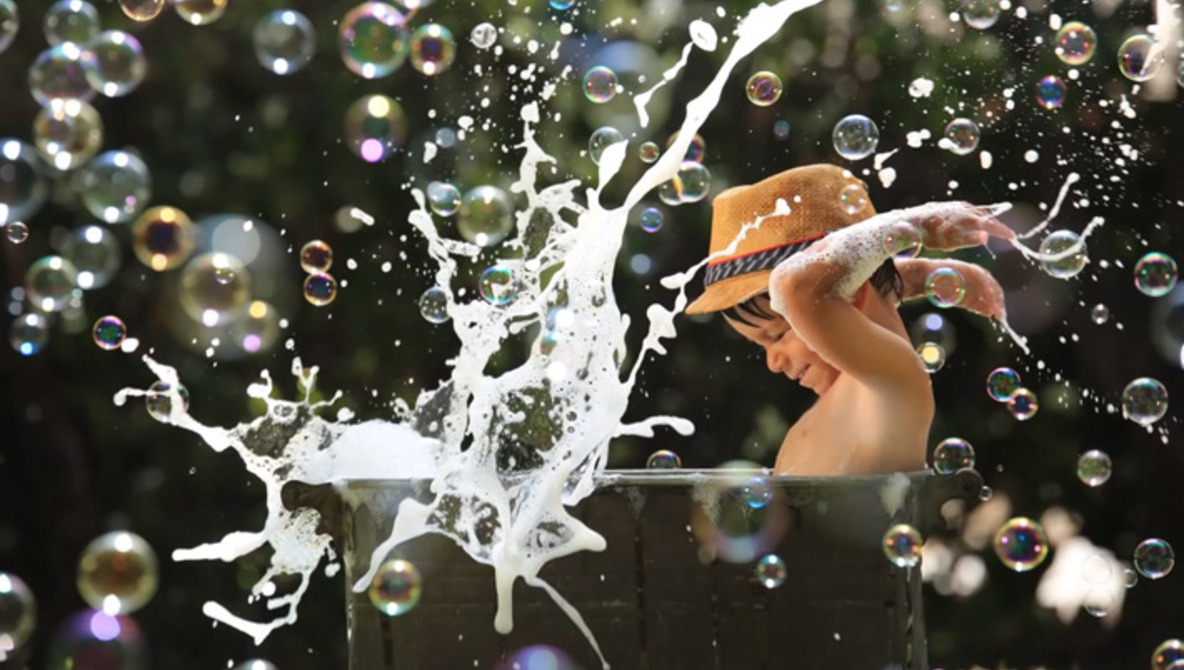
Reflectors are versatile tools that extend beyond basic lighting setups, offering filmmakers and videographers innovative ways to craft unique visual effects and enhance the mood of their scenes. When used creatively, reflectors can serve as artistic instruments to manipulate light creatively, emphasize textures, and shape the narrative tone of a video. Exploring unconventional applications can elevate a production, adding depth and visual interest that standard lighting may not achieve.Understanding how to leverage reflectors in inventive manners opens up a realm of possibilities, from subtle enhancements to bold artistic statements.
This section delves into innovative techniques for using reflectors to produce dynamic lighting effects, fill shadows with precision, and adapt to various environments—outdoor, indoor, or low-light scenarios. Additionally, integrating reflectors with other light modifiers can result in striking visual contrasts and textures, ultimately broadening creative horizons.
Innovative Uses for Lighting Effects
Creative manipulation of reflectors enables videographers to achieve lighting effects that are both visually compelling and narratively meaningful. By experimenting with angles, reflector materials, and placement, one can produce effects such as soft glows, shimmering highlights, or even mimicking more complex lighting setups without additional equipment.For example, by using a large, silver reflector at a shallow angle, filmmakers can create a shimmering, metallic highlight across a subject’s face, adding a surreal or high-fashion quality to the shot.
Conversely, employing a diffuser reflector in a backlit environment can generate a gentle, glowing halo, emphasizing innocence or purity.Reflectors can also be used to produce “moonlight” effects in outdoor scenes, by bouncing cold, white light into shadows, or to mimic a studio spotlight in indoor environments. These techniques enable subtle yet impactful modifications to the scene’s mood and atmosphere, enriching the storytelling process.
Filling Shadows and Balancing Exposure
Maintaining proper exposure balance is essential for high-quality video production. Reflectors are ideal tools for filling shadows and avoiding high contrast that may obscure details or create distracting dark areas. The ability to control shadow intensity precisely allows for a natural, balanced look that enhances the subject without flattening the scene.In outdoor shoots, reflectors can bounce sunlight into shaded areas on a subject’s face or body, ensuring even illumination without the need for additional artificial lights.
Indoors, a reflector positioned opposite the main light source can soften harsh shadows cast by windows or practical lights, creating a more flattering appearance.In low-light conditions, reflectors can amplify existing light sources, such as streetlights or practical lamps, making scenes appear more illuminated without increasing noise or grain. The use of reflective surfaces ensures that exposure levels remain consistent and visually appealing across different environments.
Examples of Reflector Use in Various Environments
Reflectors’ adaptability makes them indispensable across diverse filming settings. Here are some illustrative examples demonstrating their application:
Outdoor Scenes
- During a daytime interview in a park, a large white reflector is used to bounce sunlight into the subject’s face, eliminating shadows caused by overhead branches.
- In a sunset shoot, a gold reflector adds warmth to the subject’s skin tones, enhancing the overall mood and creating a golden glow.
Indoor Scenes
- Filming a product close-up in a studio, a silver reflector is positioned at an angle to produce sharp highlights that accentuate textures and details.
- In a dimly lit room, a reflector bounces ambient light from practical sources to fill shadows softly, maintaining a natural look.
Low-Light Environments
- During nighttime outdoor filming, a reflector helps bounce streetlight onto a subject, reducing the reliance on artificial lighting and preserving a natural night ambiance.
- When filming inside a cramped space with limited light, practitioners can position reflectors to redirect available light, avoiding harsh shadows and achieving a balanced exposure.
Combining Reflectors with Other Light Modifiers for Unique Results
The creative potential of reflectors is amplified when used synergistically with other lighting tools. Combining reflectors with diffusers, grids, gels, or flags allows videographers to sculpt light in intricate ways, producing distinctive visual effects.For instance, pairing a reflector with a softbox can enhance fill light, creating a seamless transition between key and fill lighting with a refined quality. Using a reflector alongside colored gels can introduce subtle color casts into the scene, adding mood or thematic elements without additional light sources.In more experimental settings, reflectors can be combined with textured surfaces or reflective materials like metallic foils to produce patterned light effects or dynamic sparkles.
For example, bouncing light off a textured metallic surface can generate shimmering patterns that animate the background or foreground, adding visual interest.
“Creative lighting with reflectors transforms standard illumination into an artistic tool, enabling videographers to craft mood, texture, and depth—without complicating the setup.”By thoughtfully integrating reflectors with other modifiers, filmmakers can achieve a wide range of effects—from subtle tonal shifts to dramatic lighting contrasts—making their visual storytelling more compelling and visually rich.
Safety Tips and Troubleshooting
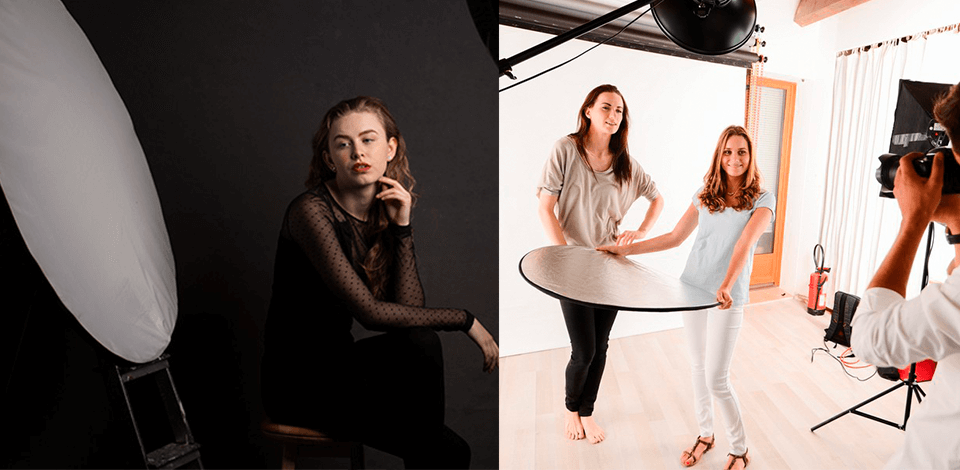
Ensuring safety and resolving common issues when working with reflectors are essential steps for achieving professional results and maintaining a safe working environment. Proper handling and awareness can prevent accidents, prolong the lifespan of your equipment, and enhance the quality of your footage. This section provides practical safety precautions, identifies typical problems encountered with reflectors, offers troubleshooting strategies, and shares maintenance tips to optimize reflector performance over time.
Safety Precautions When Handling and Positioning Reflectors
Handling reflectors involves physical activity that can pose safety risks if not managed carefully. Reflectors are often large and lightweight, but their surfaces can be fragile or sharp-edged depending on the material. Proper safety measures include:
- Wearing protective gloves to prevent cuts or abrasions from sharp edges or framing equipment.
- Ensuring stable footing and a secure stance when positioning or adjusting reflectors, especially in outdoor or uneven terrains.
- Using sturdy clamps, stands, or support systems designed for reflectors to prevent accidental drops or tipping.
- Avoiding overextending or straining when holding reflectors manually, and utilizing assistants or mechanical support when needed.
- Being mindful of surrounding environment to avoid tripping hazards or interference with other equipment.
Proper handling minimizes risks of injury and equipment damage, maintaining a safe workspace during shoots.
Common Issues Encountered with Reflector Use and Solutions
Reflectors may present challenges that can impact the visual quality or safety during filming. Understanding these issues allows for effective solutions:
- Unwanted reflections or glare: Excessive or uncontrolled reflections can cause hotspots or distracting glare. Using diffusive surfaces or adjusting angles reduces harsh reflections.
- Reflector instability or movement: Wind or accidental contact can cause reflectors to shift. Securing reflectors with weights or clamps ensures stability.
- Surface damage or wear: Scratches, dents, or fading reduce reflectivity. Regular inspection and gentle cleaning preserve surface quality.
- Difficulty in positioning: Large reflectors can be cumbersome. Employing dedicated stands and supports makes positioning easier and safer.
Troubleshooting Steps for Reflections Causing Unwanted Glare or Hotspots
Reflections that create hotspots or glare diminish the visual appeal and professionalism of a video. Addressing these issues involves a systematic approach:
- Identify the source of the glare by observing the reflection angles and light sources involved.
- Adjust the angle of the reflector to divert reflective light away from the camera lens and subject’s eyes.
- Use diffusers or matte surfaces on the reflector to soften the reflected light, reducing harsh hotspots.
- Modify the position or height of the reflector to change the reflection’s direction and intensity.
- If glare persists, consider repositioning the light source itself or adding additional flags or shears to block direct reflections.
Applying these steps helps maintain consistent lighting quality and prevents distracting visual artifacts.
Maintenance Tips to Prolong Reflector Lifespan and Performance
Proper care extends the usability and effectiveness of reflectors, ensuring they remain in top condition for diverse shooting scenarios. Maintenance practices include:
- Cleaning the surface regularly with a soft, damp cloth to remove dust, dirt, or fingerprints that can impact reflectivity.
- Storing reflectors in a protective, padded bag or case to prevent surface scratches or physical damage during transport and storage.
- Inspecting support stands, clamps, and frames periodically for signs of wear or damage, and replacing parts as needed.
- Avoiding exposure to harsh weather conditions, such as rain or extreme sunlight, which can degrade materials over time.
- Using gentle, non-abrasive cleaning agents when necessary, and avoiding harsh chemicals that could damage reflective surfaces.
Implementing these tips ensures reflectors remain reliable tools, delivering consistent performance across multiple productions.
Final Conclusion
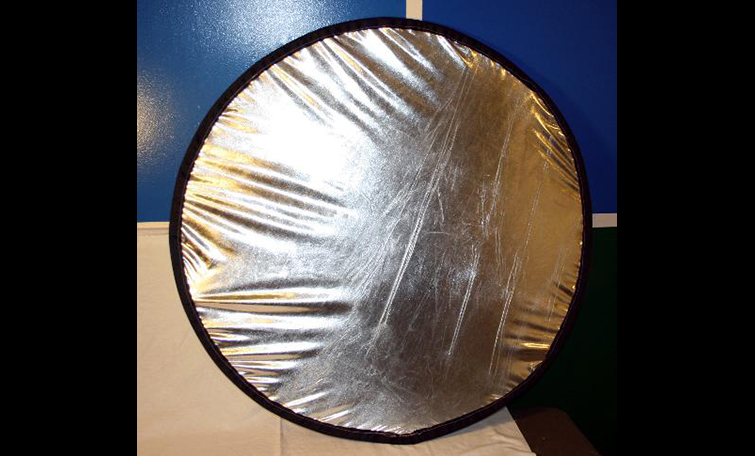
By exploring the various types of reflectors and learning effective techniques for their deployment, you can significantly improve your lighting setup and creative possibilities. Consistent practice and understanding of safety tips ensure you make the most of this versatile tool, resulting in stunning and well-balanced videos that captivate your audience.