Mastering the art of filming interviews is essential for creating compelling and professional video content. Whether you’re producing documentaries, corporate videos, or personal stories, understanding the fundamental techniques ensures your interviews are engaging and visually appealing. This guide provides a comprehensive overview of the key steps involved in capturing high-quality interviews that resonate with viewers and effectively communicate your message.
From selecting the right equipment and preparing your interviewees to setting up the optimal shooting environment and employing best practices in filming, each component plays a vital role in achieving a polished final product. Whether you’re a beginner or looking to refine your skills, these insights will help you produce interviews that are both captivating and technically sound.
Understanding the Basics of Interview Filming

Creating compelling interview videos requires a solid foundation in the fundamental elements of filming. Familiarity with essential equipment, shot composition, and camera angles ensures professional quality and effective storytelling. This section provides an overview of the critical components involved in capturing interviews that engage viewers and accurately convey the intended message.
By understanding the equipment and shot techniques, filmmakers can optimize their setup to produce clear, visually appealing, and emotionally impactful interviews. Proper planning and execution of these basics lay the groundwork for successful interview productions, regardless of the scale or subject matter.
Essential Equipment for Interview Filming
Effective interview filming relies heavily on the right equipment, which ensures high-quality audio and visuals. The critical tools include cameras, microphones, and lighting setups, each playing a vital role in capturing professional footage.
- Cameras: A camera with good resolution, such as a DSLR, mirrorless camera, or professional video camera, provides sharp images. Features like manual focus, adjustable frame rates, and high ISO sensitivity are advantageous for varying lighting conditions.
- Microphones: Clear audio is crucial for interviews. Lavalier microphones are popular for their discreetness and proximity to the subject, while shotgun microphones can capture sound from a distance, reducing background noise.
- Lighting Setups: Proper lighting enhances visual clarity and mood. Key lighting, fill lighting, and backlighting—often arranged using softboxes, LED panels, or reflectors—help achieve balanced illumination and eliminate shadows.
Types of Shots and Their Purposes
The choice of shot type significantly influences how the audience perceives the interviewee and the story being told. Different shot sizes and angles evoke specific emotional responses and focus attention accordingly.
Understanding the appropriate use of close-ups, mid-shots, and wide shots allows filmmakers to craft a dynamic and engaging visual narrative.
- Close-up Shots: Focus tightly on the interviewee’s face, capturing subtle expressions and emotions. Ideal for emphasizing reactions, conveying intimacy, or highlighting important statements.
- Mid-shots: Show the subject from the waist up, providing context while still allowing for facial expression visibility. Commonly used for dialogue and maintaining viewer connection.
- Wide Shots: Capture the entire body or scene, establishing environment and setting. Useful for establishing context or showing spatial relationships.
Comparison of Camera Angles and Their Impact on Storytelling
The angle from which a shot is captured influences audience perception and enhances storytelling. The following table compares various camera angles, their typical use cases, and their emotional or narrative impact.
| Camera Angle | Description | Impact on Storytelling |
|---|---|---|
| Eye-Level | Camera is positioned at the subject’s eye level. | Creates a neutral perspective, fostering relatability and direct engagement with the subject. |
| High Angle | Camera looks down on the subject, making them appear smaller or vulnerable. | Conveys dominance, superiority, or vulnerability depending on context. |
| Low Angle | Camera looks up at the subject, making them appear larger or more powerful. | Evokes strength, authority, or intimidation. |
| Bird’s Eye View | Camera positioned directly overhead, looking straight down. | Creates an abstract or detached perspective, often used for establishing shots or to show spatial relationships. |
| Worm’s Eye View | Extreme low angle, shot from very close to the ground looking upward. | Emphasizes scale, power, or grandeur of the subject or environment. |
| Over-the-Shoulder | Shot from behind the subject’s shoulder, typically used during conversations. | Establishes spatial relationship between subjects and immerses the viewer into the dialogue scene. |
Preparing for the Interview Shoot

Effective preparation is essential to ensure a smooth and professional interview filming process. It involves selecting an appropriate location, preparing the interviewees comprehensively, and verifying that all necessary equipment and props are in place before shooting begins. Proper planning minimizes disruptions and enhances the overall quality of the final video.
By paying close attention to these preparatory steps, videographers can create an environment conducive to genuine and engaging interviews while maintaining technical excellence. Each detail, from the environment to the attire of participants, contributes significantly to the tone and clarity of the interview, making meticulous preparation a cornerstone of successful interview filming.
Choosing a Suitable Location
The location of the interview plays a vital role in establishing the visual and auditory quality of the footage. When selecting a site, consider the background, ambient noise levels, and lighting conditions, as these elements directly influence the viewer’s perception and the interview’s professionalism.
The ideal location should have a clutter-free background that is visually appealing but not distracting. It should be quiet enough to allow for clear audio recording, avoiding areas with high foot traffic or persistent background noise such as traffic, machinery, or crowds. Adequate lighting is crucial; natural light is preferable, but if unavailable, ensure the space can be well-lit with artificial lighting that mimics daylight, reducing shadows and providing even illumination.
Conducting a site visit beforehand allows the crew to identify and address potential issues, such as glare or insufficient lighting, ensuring the environment aligns with the interview’s goals.
Preparing Interviewees
Interviews are most effective when the interviewees are well-prepared and comfortable with the process. This involves briefing them thoroughly on the questions, desired tone, and key points to be addressed, which helps reduce nervousness and encourages authentic responses. Clarify the interview structure, approximate duration, and any logistical details, such as arrival time and location details.
Attire is also an important consideration; advise interviewees to wear solid colors and avoid busy patterns or reflective materials that can cause visual distractions or glare. Offering guidance on appropriate clothing choices helps maintain visual consistency and professionalism. Additionally, informing interviewees about the technical setup, such as positioning relative to the camera and microphone, ensures they understand how to present themselves confidently on camera.
Preparation Checklist for Equipment and Props
Ensuring all equipment and props are ready before filming prevents delays and technical issues during the shoot. A comprehensive checklist helps verify that nothing is overlooked, allowing the team to focus on capturing quality footage without interruptions.
Use this checklist to confirm readiness:
- Camera(s) and tripod(s) calibrated and functioning correctly
- External microphones (lapel, shotgun) tested and working properly
- Backup batteries fully charged and spares available
- Memory cards with sufficient storage space formatted and ready
- Lighting equipment, including softboxes or reflectors, set up and tested
- Lighting accessories such as diffusers or gels prepared
- Sound recording devices checked for clarity and noise levels
- Props, notes, or cue cards prepared and organized
- Clothing, accessories, and any visual aids ready for interviewees
- Set background cleaned or arranged to ensure visual appeal
Careful adherence to this checklist minimizes the risk of technical difficulties and ensures a seamless filming experience, resulting in high-quality interview footage.
Setting Up Equipment for Optimal Results
Ensuring that your interview setup is technically sound is crucial for capturing high-quality footage and audio. Properly arranged lighting, microphones, and camera angles can significantly influence the professionalism and clarity of your interview. This section provides detailed guidance on configuring your equipment effectively to achieve natural-looking illumination, clear sound, and visually engaging framing.To produce a polished interview, each element of your setup must work harmoniously.
From choosing the right lighting to testing audio levels and selecting optimal camera positions, attention to detail will help create a seamless and engaging viewing experience for your audience.
Lighting Setup for Natural-Looking Illumination
Lighting plays a pivotal role in setting the mood, emphasizing the subject, and eliminating distracting shadows. Achieving natural-looking illumination involves understanding the qualities of light and how to manipulate it within your environment.Begin by utilizing soft, diffused light sources that mimic daylight. A common method is to use a large softbox placed approximately 45 degrees to the left or right of your subject.
This angle provides soft, even light that reduces harsh shadows across the face, creating a flattering and natural appearance. Position the softbox at eye level to prevent unflattering shadows beneath the nose or chin.Use fill lights or reflectors on the opposite side to soften any remaining shadows. For instance, a reflector positioned opposite the main light can bounce light back onto the subject, evening out the illumination.
When outdoors or in well-lit environments, rely on natural sunlight but diffuse it using a diffuser or shoot during overcast days to avoid stark contrast and shadows.Control the background lighting as well; avoid overly bright backgrounds or uneven lighting that can distract viewers. A well-balanced lighting setup ensures the subject is well-lit, shadows are minimized, and the scene appears natural and inviting.
Microphone Positioning and Testing for Clear Audio
Audio quality is as vital as visual clarity in capturing compelling interviews. Proper microphone placement and testing are essential to ensure your subject’s voice is captured clearly, free from background noise and distortion.Different microphone types serve various purposes:
- Lavalier microphones: Small clip-on mics ideal for capturing clear speech close to the subject’s mouth, minimizing ambient noise. Position them just below the chin, ensuring the microphone remains unobstructed and close to the mouth for optimal sound pickup.
- Shotgun microphones: Highly directional mics that pick up sound primarily from the direction they are pointed. Mount these on a boom pole or camera-mounted rig, pointing directly at the subject’s mouth at a distance of approximately 1-2 feet. Adjust angle and distance based on the environment’s acoustics.
- Built-in camera microphones: Generally of lower quality and more susceptible to ambient noise; use auxiliary microphones for better results.
Prior to shooting, conduct test recordings to evaluate sound levels. Speak at the expected volume and listen for clarity, background noise, and any interference. Use headphones to monitor audio in real-time, and adjust microphone placement and gain levels accordingly. If possible, employ windshields or foam covers to reduce plosive sounds and wind noise.
Step-by-Step Guide for Camera Angles and Framing
Positioning your camera correctly is fundamental to engaging storytelling. A well-planned shot composition enhances the interview’s professionalism and viewer engagement.Follow these steps:
- Determine the primary camera angle: Position your camera at eye level with the subject, establishing a comfortable and natural perspective. Use a tripod to maintain stability and consistent framing throughout the shoot.
- Establish the framing: Adopt a medium shot (from the waist up) to focus on facial expressions and gestures. This framing strikes a balance between intimacy and context. For a more formal interview, a close-up or tight shot on the face can be used to emphasize emotional responses.
- Set the background: Ensure the background is uncluttered and relevant. Use depth of field—adjust aperture settings to blur the background slightly—drawing attention to the subject while maintaining visual interest.
- Test camera angles: Record short test clips from different angles to evaluate framing, focus, and lighting. Confirm that the subject remains in the frame and that their eyes are positioned in the upper third of the frame, aligning with the “rule of thirds” for aesthetic appeal.
- Adjust lighting and camera settings: Fine-tune exposure, white balance, and focus based on test footage. Make sure the subject’s face is evenly lit without overexposure or shadows.
Consistently review footage to ensure that each shot maintains the desired framing and quality. Variations in camera angles—such as including a two-shot or over-the-shoulder shot—can add visual interest and context, but should be planned in advance to maintain continuity and professionalism.
Conducting the Interview
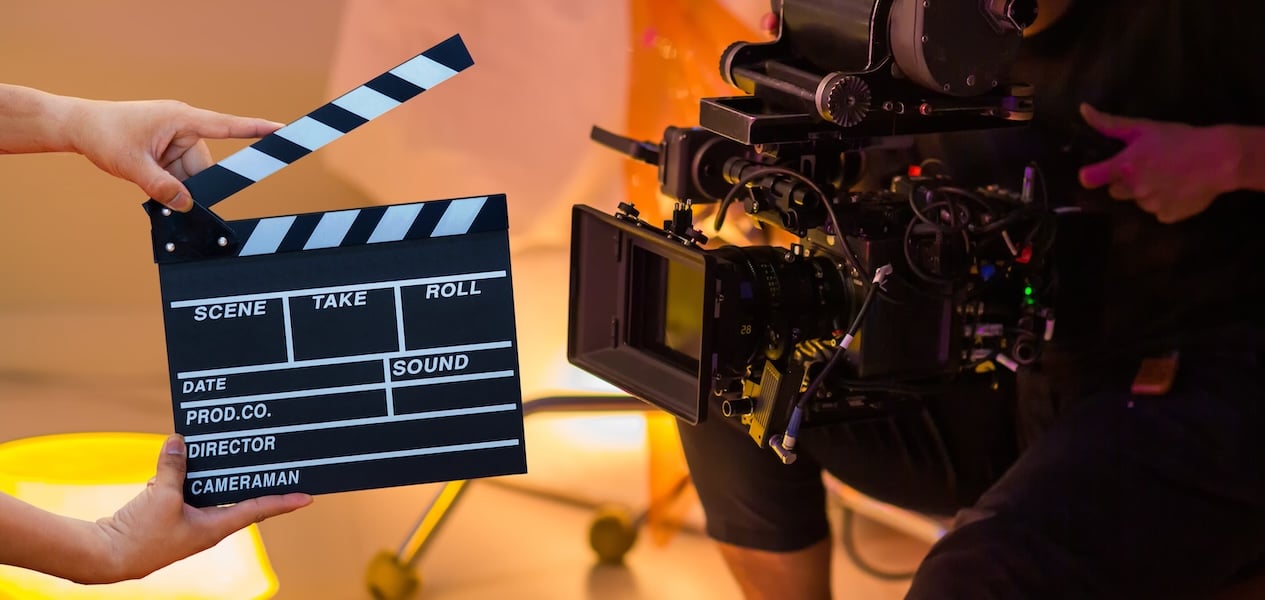
Executing a successful interview requires more than just asking questions; it involves establishing a comfortable atmosphere, maintaining control over the environment, and guiding the conversation effectively. Building rapport with interviewees encourages authentic responses, while controlling the surroundings ensures clarity and minimizes disruptions. These elements are crucial for capturing high-quality footage that truly reflects the subject’s insights and personality.
Mastering the art of conducting the interview entails adhering to a procedural flow that maintains professionalism and facilitates a natural dialogue. The following sections provide detailed guidance on building rapport, environmental control, and a structured process flowchart to ensure a smooth interviewing experience from start to finish.
Establishing Rapport with Interviewees
Creating a trusting relationship with interviewees is essential for eliciting honest and relaxed responses. Techniques to achieve this include preliminary casual conversation to ease tension, maintaining eye contact to demonstrate engagement, and expressing genuine interest in their stories. Active listening and empathetic responses foster a sense of safety, encouraging interviewees to open up. It is also beneficial to explain the purpose of the interview and how their contributions will be used, which helps build mutual respect and transparency.
Controlling the Environment for Optimal Results
Ensuring a controlled environment minimizes distractions and background noise, resulting in clearer audio and visually focused footage. Select a quiet, well-lit space that is free of interruptions. Use sound-absorbing materials such as curtains, carpets, or acoustic panels to dampen echoes and external noise. Position the interviewee away from windows or busy areas to reduce visual distractions. Additionally, inform others around the filming location about the shoot schedule to prevent unexpected interruptions.
Proper environmental control directly impacts the professionalism and overall quality of the final product.
Procedural Flowchart of the Interview Process
Structured planning of the interview process enhances consistency and professionalism. The following table illustrates a typical flow from introduction to conclusion, ensuring each phase is methodically addressed:
| Step | Description |
|---|---|
| Introduction | Greet the interviewee warmly, introduce yourself and the purpose of the interview, and Artikel the structure of the session. Establish a friendly tone to set the stage for open communication. |
| Preliminary Questions | Begin with easy, non-threatening questions to help the interviewee settle in and feel comfortable. These may include background or general interest questions related to the topic. |
| Main Interview | Proceed with the core questions, ensuring a natural flow. Use active listening to follow up on interesting points and encourage elaboration, maintaining eye contact and positive body language. |
| Wrapping Up | Ask concluding questions, provide an opportunity for the interviewee to add any final thoughts, and express appreciation for their participation. Confirm if they wish to add anything else. |
| Closure | Thank the interviewee again, explain next steps if applicable, and ensure they are comfortable before ending the session. Offer contact information for follow-up if needed. |
Tips for Filming Engaging and Professional Interviews

Creating compelling and professional interviews requires attention to detail beyond the basics of handling equipment and conducting the conversation. Engaging visuals and well-paced content can significantly enhance the viewer’s experience, making the story more impactful and memorable. Effective framing, thoughtful pacing, and supplementary B-roll footage contribute to a polished final product that captures both the subject’s authenticity and the audience’s interest.A strategic approach to framing, timing, and supplemental footage ensures that the interview remains dynamic, visually appealing, and informative.
By applying these tips, filmmakers can elevate their interview segments from simple recordings to captivating storytelling tools.
Framing and Composition to Enhance Visual Storytelling
Proper framing and composition are pivotal in conveying the subject’s personality and emphasizing key messages. The rule of thirds remains a fundamental guideline, placing the interviewee’s eyes approximately one-third from the top of the frame to create a balanced and engaging shot. Additionally, considering the background is essential; a clean, relevant, or contextually rich backdrop can add depth without distracting from the speaker.Use depth of field to isolate the subject from the background, creating a sense of focus and professionalism.
For interviews, a slightly blurred background (bokeh) helps draw viewers’ attention directly to the speaker. When filming multiple interviewees or group conversations, ensure consistent framing so the visual narrative remains cohesive.Incorporate headroom thoughtfully; avoid excessive space above the subject’s head, but leave enough to prevent a cramped appearance. Establishing eye-level shots fosters a natural connection, while varying shot sizes—such as switching between close-ups and medium shots—can add visual interest and emphasize emotional cues or important points.
Managing Interview Timing and Pacing for Dynamic Content
Effective pacing keeps viewers engaged and prevents the interview from feeling monotonous. Plan the interview structure by identifying key points and allocating appropriate time for each segment. Use a mix of longer, in-depth responses and shorter, punchy statements to create rhythm and variation.During filming, monitor the flow and be attentive to natural pauses, facial expressions, and gestures that can be emphasized or trimmed for clarity.
Incorporate intentional pauses after impactful statements to allow viewers to absorb the message or to insert B-roll footage seamlessly.Post-production editing plays a crucial role in pacing. Cutting unnecessary repetitions, trimming long-winded answers, and inserting transition shots can enhance the overall rhythm. Employing visual cues such as changes in framing, background movement, or slight zooms can also maintain visual interest during dialogue.
Best Practices for Capturing B-Roll Footage to Supplement Interviews
B-roll footage provides visual context and helps illustrate the narrative, keeping the audience engaged and providing variety to the interview segment. It can also be used to cover jump cuts or awkward pauses in the dialogue.The following practices ensure high-quality B-roll that complements the interview content:
- Capture wide shots of the environment or setting to provide context and establish location.
- Include close-ups of relevant objects, documents, or details related to the interview topic to add depth and interest.
- Film natural ambient sounds, such as background activity or environmental noises, to enhance immersion.
- Record shots of hands performing actions or gestures that align with what the interviewee is discussing, emphasizing points visually.
- Vary camera angles and perspectives—such as low, high, or over-the-shoulder shots—to introduce visual dynamism.
- Ensure B-roll footage is steady, well-lit, and properly exposed, matching the quality of the interview shots.
- Plan B-roll shots in advance based on the interview content, allowing for smooth integration during editing.
Post-Production Tips for Interview Footage
Effective post-production processes are essential to transforming raw interview footage into compelling and professional content. Careful organization, thoughtful editing, and strategic enhancements can significantly elevate the quality of the final product, ensuring that the interview communicates its intended message clearly and engagingly to viewers.Organizing footage and selecting the best takes are foundational steps in efficient post-production. Proper organization minimizes confusion, saves time, and streamlines the editing process.
Once footage is imported, it should be renamed systematically—using descriptive labels that include date, subject name, or scene number. Creating folders for different takes, camera angles, and audio versions facilitates quick access. Viewing all takes and marking or rating the best ones allows editors to quickly identify high-quality footage, reducing the time spent sifting through unnecessary clips. This process ensures that the most compelling, clear, and engaging takes are prioritized during editing.Basic editing techniques are vital to enhance the overall quality of the interview footage.
Improving audio quality involves removing background noise, balancing levels, and possibly applying equalization to clarify speech. Color grading is used to set the tone and mood, ensuring visual consistency across different shots, especially if footage was captured under varying lighting conditions. Transitions between cuts should be smooth and purposeful, avoiding overuse which can distract viewers or diminish professionalism. Using simple cuts, fades, and dissolves strategically helps maintain flow and viewer engagement while preserving the authenticity of the interview.To further engage viewers and reinforce key messages, adding subtitles or overlays is highly effective.
These elements can emphasize important points, provide context, or make content accessible to a broader audience, including those with hearing impairments or non-native language speakers. The following table illustrates common methods for integrating these elements:
| Method | Purpose | Implementation Tips |
|---|---|---|
| Subtitles/Captions | Enhance accessibility and comprehension | Use clear, concise language; synchronize text with speech; choose readable fonts and appropriate size |
| Text Overlays | Highlight key points or quotes | Utilize contrasting colors; keep overlays brief; position them strategically to avoid obscuring faces or important visuals |
| Graphics and Labels | Identify speakers or add context | Use simple animations or static labels; ensure consistency in style and placement throughout the video |
Incorporating these post-production techniques not only refines the visual and auditory quality of interview footage but also significantly enhances viewer engagement and message clarity. Proper organization, skilled editing, and strategic overlays are key to delivering a polished and impactful final product.
Conclusion
In conclusion, filming interviews requires careful preparation, technical proficiency, and an understanding of storytelling techniques. By applying these strategies, you can elevate your interview recordings to a professional standard, ensuring your message is conveyed clearly and compellingly. With practice and attention to detail, you will be well-equipped to craft interviews that captivate and inform your audience effectively.