Learning how to direct video production is essential for creating compelling visual stories that captivate audiences and communicate messages effectively. This process involves overseeing all stages of production, from initial planning to final delivery, ensuring that each element aligns with the creative vision. A well-directed video not only showcases technical proficiency but also demonstrates strong leadership and an understanding of storytelling dynamics.
By following a structured approach that covers pre-production planning, developing a creative vision, managing on-set direction, and overseeing post-production, aspiring directors can achieve professional results. Understanding the roles and responsibilities involved, along with mastering technical aspects and effective communication, is key to transforming concepts into impactful visual content.
Overview of Video Production Direction
Video production direction is a pivotal element in transforming a creative concept into a compelling visual story. The director acts as the visionary captain, guiding the entire production process from conception to completion. Their responsibilities encompass creative oversight, technical guidance, and coordination among various departments to ensure the project aligns with its artistic and functional goals. Effective directing requires a blend of artistic sensibility, technical knowledge, and excellent communication skills to manage diverse teams and resources efficiently.
This role demands a comprehensive understanding of the production pipeline, including pre-production planning, shooting, and post-production editing. A director must balance creative vision with practical constraints such as budget, time, and available technology. They serve as the central decision-maker, resolving conflicts, setting the tone, and ensuring that each segment of the project contributes cohesively to the final product.
Key Skills Necessary for Effectively Directing Video Projects
Successfully directing a video project hinges on a set of core skills that enable the director to navigate complex workflows and inspire their team. These skills include:
- Creative Vision: The ability to conceptualize and develop a unique, compelling narrative or visual style that resonates with the target audience.
- Technical Proficiency: Knowledge of camera operation, lighting techniques, sound recording, and editing software to communicate effectively with technical crew and make informed decisions.
- Leadership and Communication: Strong interpersonal skills are vital for guiding actors, crew members, and post-production teams while maintaining clear and motivating communication channels.
- Organizational Skills: Managing schedules, budgets, and resources efficiently ensures the project adheres to timelines and financial constraints without compromising quality.
- Problem-Solving Abilities: The capacity to anticipate challenges and adapt quickly to unforeseen issues during production, such as equipment failures or scheduling conflicts, is crucial for maintaining workflow continuity.
Step-by-Step Guide to Initial Planning and Conceptualization
Effective video production begins with meticulous planning and clear conceptualization, setting the foundation for a successful project. This phase involves translating creative ideas into actionable plans through structured steps:
- Define the Objectives: Clarify the purpose of the video, target audience, and intended message. For example, a promotional video for a new product must highlight key features and benefits concisely.
- Develop the Concept: Brainstorm themes, styles, and storytelling approaches that align with the objectives. Creating mood boards and visual references can help solidify the concept.
- Scriptwriting and Storyboarding: Write a detailed script that Artikels dialogue, narration, and scene descriptions. Complement this with storyboards that visually map each shot, enabling better visualization and planning.
- Assemble the Creative Team: Identify and recruit key personnel, including the director, cinematographer, production designer, and talent, ensuring their vision and expertise align with the project needs.
- Plan the Budget and Schedule: Establish a realistic budget covering all phases—from pre-production to post-production—and create a timeline that includes milestones, shooting days, and review periods.
- Scout Locations and Gather Resources: Select suitable shooting locations that enhance storytelling and acquire necessary permits. Organize equipment, costumes, props, and other materials essential for production.
- Risk Management and Contingency Planning: Identify potential challenges, such as weather disruptions or technical issues, and prepare backup plans to mitigate delays or budget overruns.
This structured approach ensures that the foundational elements of the production are thoroughly addressed, facilitating a smooth transition into the shooting phase and ultimately contributing to the overall quality and coherence of the final video.
Pre-Production Planning and Preparation
Effective pre-production planning is the foundation of a successful video project. It involves detailed organization, clear communication, and strategic preparation to streamline the production process and ensure all team members are aligned with the project’s goals. Proper planning reduces costly revisions, minimizes delays, and enhances the overall quality of the final product. This stage requires meticulous attention to detail, creative collaboration, and thorough scheduling to manage resources efficiently.
By establishing a comprehensive pre-production framework, production teams can anticipate challenges, allocate resources appropriately, and set realistic timelines. The following sections Artikel essential tasks and tools that facilitate a smooth transition from conceptualization to filming, emphasizing the importance of structured planning to achieve professional results.
Pre-Production Tasks Checklist
A detailed checklist ensures all necessary steps are covered before filming begins. This organized approach helps prevent overlooked tasks and facilitates better coordination among team members. The key tasks include:
- Scriptwriting: Developing a clear and concise screenplay or storyboard that Artikels dialogue, scenes, and visual cues. This forms the blueprint of the video and guides all subsequent planning.
- Storyboarding: Creating visual representations of each scene to plan shot composition, camera angles, and transitions. It serves as a visual guide for directors, cinematographers, and production designers.
- Shooting Schedule Development: Establishing a detailed timetable that allocates specific times for each scene, location, and shot. Efficient scheduling minimizes downtime and ensures timely completion.
- Location Scouting and Permits: Identifying suitable filming locations, securing necessary permissions, and assessing logistical considerations such as lighting, sound, and accessibility.
- Casting and Talent Coordination: Selecting appropriate actors or presenters, organizing rehearsals, and confirming availability.
- Equipment Planning: Listing required equipment such as cameras, lighting, and sound gear, and arranging for rentals or purchases.
- Budget Estimation: Calculating costs associated with personnel, equipment, locations, and post-production, ensuring alignment with financial resources.
- Team Assembly and Communication: Defining roles and responsibilities, establishing communication channels, and scheduling team meetings to ensure clarity and collaboration.
Budgeting Methods Comparison
Choosing an appropriate budgeting method is crucial to control expenses and allocate resources effectively. Different approaches cater to various project sizes and complexities. The table below compares common budgeting strategies used in video production:
| Budgeting Method | Description | Advantages | Disadvantages |
|---|---|---|---|
| Fixed Budget | Allocates a predetermined total amount for the entire project, with all expenses managed within this limit. | Provides clear financial boundaries; simplifies expense tracking; encourages cost control. | Limited flexibility; unforeseen costs may require reallocation or compromise on quality. |
| Line-Item Budget | Breaks down costs into specific categories such as equipment, talent, locations, and post-production. | Offers detailed control and transparency; facilitates precise tracking of expenses. | Can be rigid; may require frequent updates as project evolves. |
| Zero-Based Budgeting | Starts from zero, justifying each expense; every cost must be approved anew for each project phase. | Ensures all expenditures are necessary; promotes efficiency and cost-effectiveness. | Time-consuming; requires thorough analysis and justification of each item. |
| Incremental Budgeting | Adjusts previous year’s budget by a certain percentage to account for inflation or scope changes. | Simple to implement; useful for ongoing projects with stable parameters. | Lacks flexibility for significant changes; may perpetuate inefficiencies. |
Assembling and Communicating with the Production Team
Building a cohesive production team and establishing effective communication channels are pivotal for seamless project execution. The process involves selecting qualified personnel, defining clear roles, and maintaining ongoing dialogue throughout the production cycle. Ensuring everyone understands their responsibilities and deadlines minimizes misunderstandings and enhances collaboration.
To assemble a capable team, consider individuals with relevant experience in areas such as directing, cinematography, sound, lighting, and editing. Conduct interviews or auditions to assess skills and compatibility with project objectives. Once assembled, communicate expectations through detailed briefs and shared documentation. Regular meetings, whether in person or virtual, foster transparency and allow for real-time problem-solving. Leveraging project management tools—such as shared calendars, task trackers, and messaging platforms—can significantly improve coordination.
Finally, establishing a clear chain of command and decision-making processes ensures swift resolution of issues and promotes accountability within the team.
Developing a Creative Vision
Establishing a strong and cohesive creative vision is fundamental to the success of any video production. It serves as the guiding light throughout the project, ensuring that all visual and narrative elements align to convey the intended message effectively. Crafting this vision involves defining a clear aesthetic, tone, and overall feel that resonate with the target audience and meet the project’s objectives.
A well-developed creative vision not only streamlines decision-making but also inspires the entire production team and stakeholders, fostering a unified approach to execution. It requires a strategic blend of artistic insight, technical understanding, and collaborative input to realize a compelling visual story that stands out and achieves its purpose.
Establishing a Visual Style and Tone
Determining the visual style and tone is a critical step in shaping the overall aesthetic of the video. This process involves defining key elements such as color palette, lighting, camera angles, and shot composition that will evoke the desired emotional response and reinforce the narrative intent.
To create a consistent style, it is beneficial to develop a mood board incorporating images, color schemes, and references that reflect the envisioned look. Consideration should be given to the genre, target audience, and message; for instance, a corporate promotional video might favor a clean, professional aesthetic, while a documentary could lean toward a more raw, authentic feel. Additionally, tone can be conveyed through pacing, music selection, and narrative voice, all of which should work harmoniously to support the visual choices.
Collaborating with Clients and Stakeholders to Refine the Concept
Engaging clients and stakeholders in the creative development process ensures that the vision aligns with their expectations and strategic goals. Effective collaboration involves transparent communication, presenting visual concepts, mood boards, or storyboards early in the process to gather feedback and make necessary adjustments.
Regular meetings and constructive discussions foster a shared understanding and cultivate trust. It is essential to articulate how each creative element serves the overall message and to be receptive to ideas that can enhance the project. By involving stakeholders at key milestones, the production team can refine the concept into a cohesive and compelling visual narrative that satisfies all parties involved.
Aligning Location, Cast, and Equipment with the Creative Vision
The selection of locations, cast, and equipment plays a vital role in translating the creative vision into reality. Each choice must be intentional and reflective of the established style and tone to maintain consistency and authenticity.
Locations should complement the visual aesthetic and support the narrative context; for example, an urban setting with modern architecture may suit a contemporary marketing campaign, while natural landscapes might be ideal for a wellness brand story. Casting decisions should align with the character profiles envisioned, ensuring actors can embody the tone and mood effectively. Equipment choices, including camera gear, lighting, and accessories, must facilitate the desired visual effects, such as using high-resolution cameras for cinematic quality or specific lighting setups to evoke particular atmospheres.
Organizing pre-production scouting and equipment rentals early ensures all elements are synchronized with the creative vision, enabling a seamless production process.
Shooting and On-Set Direction
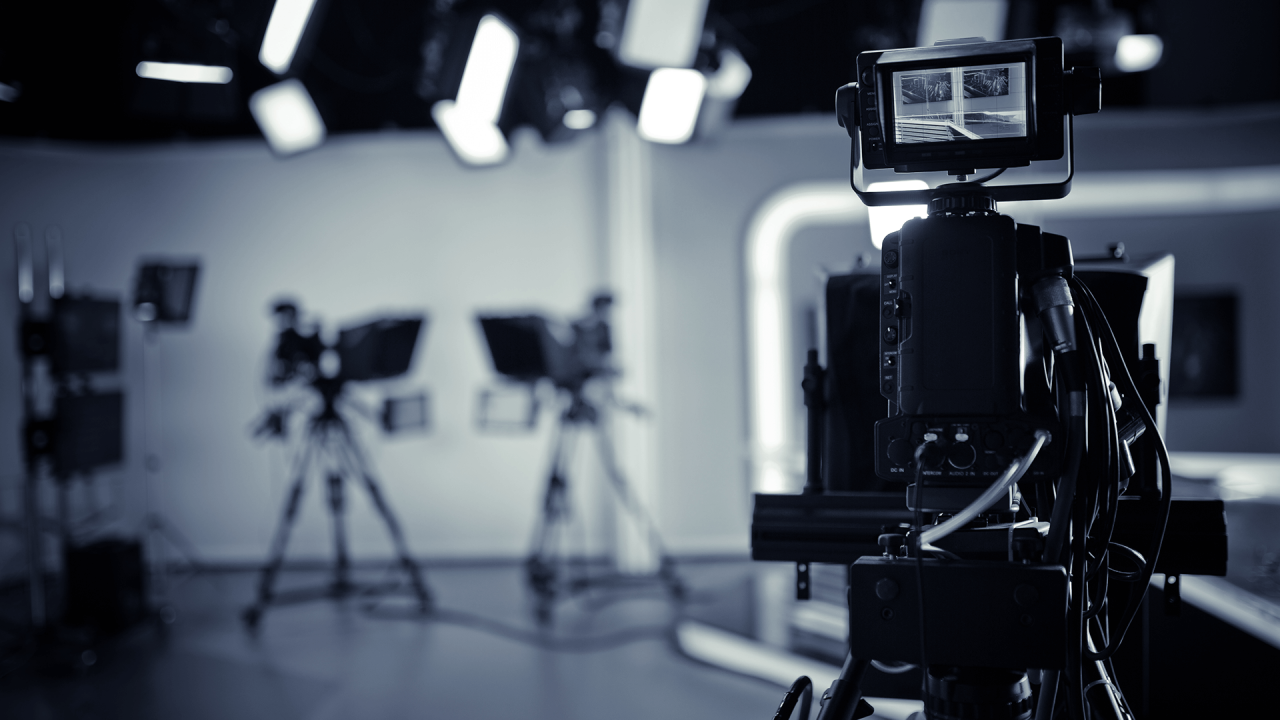
Effective on-set direction is crucial to translating a creative vision into compelling visual storytelling. This phase involves guiding actors and crew members to deliver performances and technical setups that align with the director’s objectives. Proper execution ensures a seamless production process and high-quality footage, making it essential for a director to master techniques for managing on-set dynamics, technical setups, and problem-solving in real-time.A well-structured approach to shooting involves coordinating actors’ performances, managing crew responsibilities, and ensuring technical elements work harmoniously.
This phase is dynamic and requires the director to be adaptable while maintaining clear communication and a focus on the overall vision.
Techniques for Directing Actors and Crew
Creating authentic performances and efficient crew coordination are foundational to successful filming. Directors must establish a rapport with actors to evoke genuine emotions and reactions, often through specific feedback techniques. For example, using improvisation exercises or providing detailed character context can deepen performances. Clear, concise instructions help actors understand their movements and emotional beats, reducing ambiguity and fostering confidence.Simultaneously, managing the crew involves assigning roles clearly and maintaining an organized set.
Regular communication ensures everyone understands the shooting schedule and scene requirements. Encouraging a collaborative environment promotes creativity and problem-solving, especially when unexpected issues arise.
Procedural Guide for Setting Up Camera Angles, Lighting, and Sound Equipment
Establishing the technical setup is vital for capturing the desired aesthetic and ensuring continuity across shots. This process begins with pre-visualizing the scene’s mood and narrative focus to determine optimal camera angles, lighting, and sound configurations. It is essential to adhere to a systematic approach to maximize efficiency on set.
- Camera Setup: Position the camera based on the scene’s emotional tone and spatial composition. Use the 180-degree rule to maintain spatial orientation, and consider shot types—close-ups for intimacy, wide shots for context. Use camera mounts or tripods for stability, and verify focus and exposure settings before shooting.
- Lighting Arrangement: Decide on key lighting positions to highlight actors and set elements, creating depth and mood. Use diffusers, reflectors, and flags to control shadows and light spill. Adjust color temperature settings to match the scene’s tone, whether warm or cool. Conduct camera tests to confirm lighting effectiveness.
- Sound Equipment: Position microphones to clearly capture dialogue and ambient sound without obstructions or interference. Lavalier mics are ideal for close-up audio, while boom mics provide flexibility for dynamic scenes. Conduct sound checks to ensure levels are consistent and free of distortion or background noise.
Managing Time and Resolving On-Set Issues
Efficient management of time and prompt resolution of issues are critical to staying on schedule and maintaining a productive environment. The director, along with the assistant director or production coordinator, should develop a detailed shooting schedule with built-in buffers for unforeseen delays.Real-time troubleshooting involves quick assessment of problems and implementing practical solutions. For example, if a lighting setup causes unwanted shadows, adjusting the angle or diffusion can resolve the issue swiftly.
When actors forget lines or cues, the director can use discreet cues or improvisation to keep the scene flowing without disrupting the performance.Block scheduling is essential, where scenes are grouped based on location, cast, and technical needs to minimize setup changes. Regular communication with the crew and cast ensures everyone remains informed about timing and expectations. Utilizing communication tools like walkie-talkies or headsets enhances coordination and facilitates rapid response to on-set challenges, preserving the overall production timeline and quality.
Technical Aspects of Video Direction
Mastering the technical components of video direction is pivotal to translating a creative vision into a compelling visual narrative. This involves precise control over camera work, lighting, and sound, all of which collaboratively enhance storytelling and audience engagement. A director’s proficiency in these areas ensures that each scene aligns with the intended mood, clarity, and aesthetic quality, ultimately elevating the overall production value.
In this section, we delve into the key technical elements that a video director must oversee, focusing on camera movements and framing techniques, lighting strategies to set mood and improve visual fidelity, and sound recording and synchronization essentials. Command over these aspects not only refines the visual and auditory experience but also provides the director with tools to creatively express the story’s nuances and emotional depth.
Controlling Camera Movements and Framing for Storytelling
The way a camera moves and frames a shot significantly influences how viewers perceive and interpret a scene. Effective camera control guides audience attention, conveys emotion, and supports narrative flow. The choice of movements—such as pans, tilts, dollies, or handheld shots—can evoke different sensations, from stability and calm to chaos and immediacy.
Among the fundamental techniques is the use of framing to emphasize characters or objects, creating visual hierarchies that direct focus. The rule of thirds remains a reliable guideline, positioning key elements along intersecting lines to achieve balanced compositions. Additionally, dynamic framing can involve techniques like headroom, lead room, and head-to-toe shots, which provide context and emotional cues to viewers.
Camera movements should be deliberate and purpose-driven, aligning with the scene’s tone. For example, slow dollies can evoke introspection, while quick pans may heighten tension. When executing these movements, stability is critical; using steady cams, gimbals, or dolly tracks helps maintain smoothness, preventing distractions caused by shaky footage.
Lighting Techniques to Enhance Mood and Visual Quality
Lighting profoundly impacts the visual storytelling process by setting the mood, highlighting subject features, and shaping the scene’s atmosphere. Proper lighting techniques allow the director to craft visuals that resonate emotionally and ensure clarity in the narrative context.
Key lighting methods include natural lighting, which leverages sunlight for authenticity, and artificial lighting setups that offer greater control over intensity, color, and placement. The use of key lights, fill lights, and backlights helps sculpt subjects and create depth through shadow and highlight interplay. Techniques such as three-point lighting remain foundational for balanced, professional-looking shots.
Color temperature and gels can be employed to evoke specific moods; for example, warm tones foster intimacy or nostalgia, while cooler tones convey detachment or suspense. The directionality of light impacts the perception of texture and form, with side lighting emphasizing contours and frontal lighting reducing shadows for a flat, even appearance. Mastery of lighting not only enhances visual quality but also subtly influences audience emotions.
Overseeing Sound Recording and Synchronization
Sound quality is an essential component of a polished video production, directly affecting viewer immersion and comprehension. The director must oversee the proper capture and synchronization of audio to ensure clarity, consistency, and emotional impact.
Effective sound recording begins with the selection of appropriate microphones suited to the scene, environment, and subject. Lavaliers and boom microphones are common choices, each with advantages depending on the shooting situation. The use of windshields, proper placement, and sound check procedures contribute to capturing clean, high-fidelity audio.
Synchronization involves meticulous editing to align dialogue, ambient sounds, and effects with the visual footage. The director collaborates with sound editors to ensure timing accuracy, especially when incorporating voiceovers or ADR recordings. Additionally, overseeing the mixing process allows for balancing levels, applying equalization, and adding effects that enhance realism and emotional tone. Ensuring high-quality sound design ultimately complements the visual storytelling, creating a cohesive and engaging viewer experience.
Finalizing and Delivering the Video
Effective finalization and delivery are crucial phases in the video production process that determine the overall quality and impact of the completed project. Once the filming and editing are complete, ensuring the final product meets technical standards and client expectations is essential for a successful delivery. This stage involves meticulous review, proper formatting, and strategic distribution to maximize reach and engagement.In this segment, we will explore the specific steps involved in rendering and exporting the final video in various formats, maintaining quality standards.
We will also discuss essential guidelines for quality control and strategies to ensure client satisfaction. Lastly, we will examine distribution methods and platform choices suited for different types of videos, ensuring optimal dissemination and viewer engagement.
Rendering and Exporting the Final Product in Various Formats
Rendering and exporting are vital processes that convert the edited project into a playable video file suitable for distribution. Different formats serve diverse purposes, such as online streaming, broadcast, or archival. It is important to choose the appropriate formats based on the intended platform and audience.The rendering process involves selecting suitable codecs, resolution, frame rate, and bit rate. Common formats include MP4 (H.264 codec), MOV (Apple ProRes), and AVI, each with specific advantages.
For online platforms like YouTube and Vimeo, MP4 with H.264 codec is generally preferred due to its balance between quality and file size. For broadcast or professional editing, higher quality formats like MOV or ProRes may be necessary.To ensure a high-quality final product:
“Always verify the export settings align with platform specifications and project requirements to prevent quality degradation or playback issues.”
It is advisable to produce multiple versions tailored to different platforms—such as a high-resolution master and compressed variants for web use—thus maintaining versatility and adhering to technical constraints.
Quality Control and Client Satisfaction Guidelines
Maintaining strict quality control during the finalization phase is essential to meet or exceed client expectations. This involves comprehensive review processes, including visual inspection, audio synchronization, color grading consistency, and checking for technical errors such as pixelation, compression artifacts, or audio glitches.Implementing a standardized quality assurance protocol can be beneficial:
- Perform a detailed review of the rendered video on multiple devices and screens to detect discrepancies.
- Verify that all visual and audio elements adhere to the project’s creative vision and technical standards.
- Ensure captions, graphics, and branding elements are correctly positioned and free of errors.
- Solicit client feedback on preliminary versions before final delivery, allowing adjustments and refinements.
Achieving client satisfaction involves clear communication, timely delivery, and accommodating revisions as necessary. Documenting feedback and confirming that all project specifications are met fosters trust and professional integrity.
Distribution Strategies and Platforms for Different Video Types
Choosing the appropriate distribution channels depends on the target audience, content type, and desired engagement level. Each platform offers unique advantages and constraints that influence how a video should be optimized and shared.For online streaming and social media:
- YouTube and Vimeo are ideal platforms for reaching broad audiences, with options for embedding, analytics, and monetization.
- Social media networks such as Facebook, Instagram, and TikTok support short-form videos, requiring formats optimized for quick viewing and mobile compatibility.
For corporate or internal use:
- Secure hosting solutions or intranet platforms ensure controlled access and privacy.
- Video formats should prioritize clarity and compatibility with internal playback systems.
For broadcast and cinema:
- High-resolution formats such as ProRes or DCP (Digital Cinema Package) are necessary to meet industry technical standards.
Strategic distribution also involves optimizing video titles, descriptions, and metadata to enhance discoverability. Additionally, scheduling releases during peak engagement times maximizes viewer reach, while cross-promoting content across multiple platforms broadens exposure.
Tips and Best Practices for Effective Video Direction
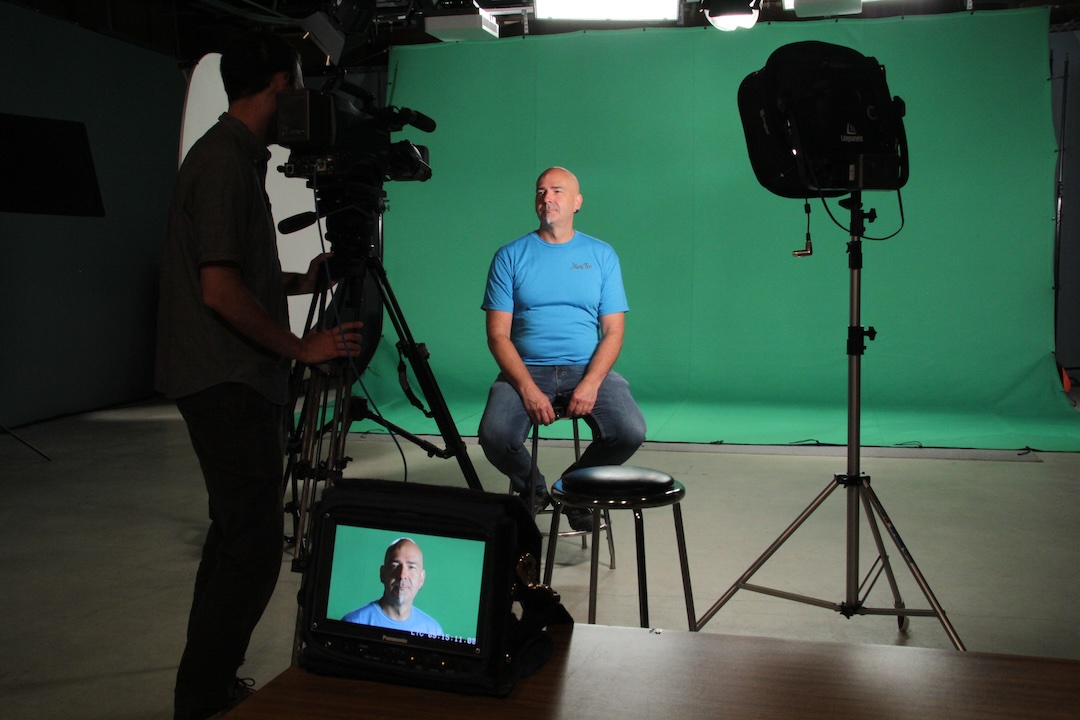
Achieving high-quality, engaging videos requires more than just technical skills; it demands strong leadership, adaptability, and a commitment to continuous improvement. Effective video direction involves guiding your crew with clarity, fostering a creative environment, and responding adeptly to unforeseen challenges. Implementing proven techniques can significantly enhance your ability to produce compelling content while maintaining a professional and collaborative atmosphere on set.
In this section, we explore essential strategies that can elevate your effectiveness as a video director. These tips encompass leadership techniques to motivate your team, methods to stay flexible amid unexpected obstacles, and approaches to keep your skills sharp by staying informed about industry developments. Mastering these practices will help you deliver consistently outstanding video projects that meet your artistic vision and client expectations.
Recommended Techniques to Enhance Leadership on Set
Strong leadership on set is crucial for maintaining momentum and ensuring that everyone works cohesively toward a common goal. The following techniques foster a positive, efficient environment and provide clarity to your team:
- Clear Communication: Articulate your vision, expectations, and specific instructions in a concise and respectful manner. Use visual aids or storyboards when necessary to provide clarity.
- Empower Team Members: Recognize individual strengths and delegate responsibilities accordingly. Encouraging autonomy can boost morale and creativity.
- Maintain a Collaborative Atmosphere: Foster open dialogue, invite feedback, and value contributions from all crew members and talent.
- Lead by Example: Demonstrate professionalism, punctuality, and a positive attitude to set the tone for the team.
- Provide Constructive Feedback: Offer specific, actionable critiques that motivate improvement rather than discourage.
Staying Adaptable and Troubleshooting Unexpected Challenges
Video shoots often encounter unforeseen issues, such as technical failures, weather disruptions, or talent availability problems. Remaining adaptable is essential to keep production on track. The following approaches help you respond effectively to unexpected challenges:
- Develop Contingency Plans: Prepare backup options for locations, equipment, and schedules during pre-production planning.
- Maintain a Problem-Solving Mindset: Approach issues with calmness and focus on solutions rather than dwelling on setbacks.
- Prioritize Flexibility in Schedule: Build buffer time into your shooting schedule to accommodate delays or unforeseen events.
- Communicate Promptly: Keep all team members informed about changes and new plans immediately to ensure coordinated efforts.
- Leverage Resources: Use available tools, such as mobile communication apps and portable equipment, to adapt quickly to changing circumstances.
Methods for Continuous Learning and Industry Trend Updates
The video production landscape is constantly evolving with new technologies, techniques, and audience preferences. Staying informed and continuously honing your skills is vital for maintaining a competitive edge. Effective methods include:
- Engaging with Industry Publications and Websites: Regularly read reputable outlets such as Videomaker, No Film School, and IndieWire for updates on trends, gear reviews, and case studies.
- Attending Workshops and Conferences: Participate in industry events like NAB Show, local filmmaking festivals, and online webinars to learn from experts and network with peers.
- Participating in Online Communities: Join forums, social media groups, and mentorship programs where professionals share insights, challenges, and solutions.
- Experimenting with New Technologies: Test emerging equipment, software, and techniques in your projects to understand their practical applications.
- Seeking Feedback and Analyzing Your Work: Review completed projects critically, gather feedback from clients and colleagues, and identify areas for improvement.
Adopting a mindset of continuous learning ensures that your skills remain relevant and your creative approach stays innovative in a rapidly changing industry.
Final Review
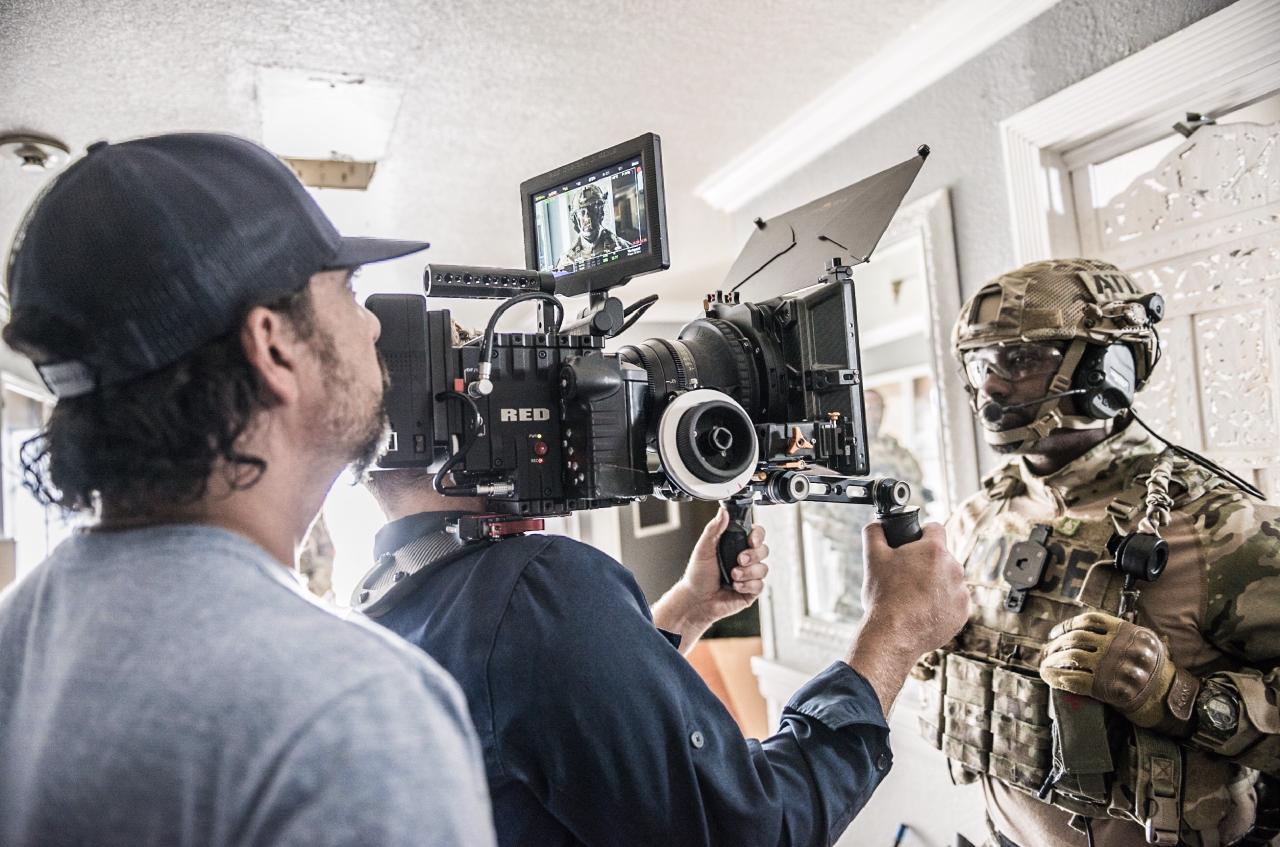
In conclusion, mastering how to direct video production equips creators with the skills necessary to craft visually engaging and meaningful videos. From meticulous planning to precise execution and thoughtful editing, each phase contributes to the overall success of the project. Embracing best practices and staying adaptable in a dynamic industry ensures continuous growth and excellence in video direction.