Mastering how to plan video shots is essential for creating compelling and cohesive visual narratives. A well-structured shot plan transforms a script into a vivid story, ensuring every scene communicates its intended message with clarity and impact. Whether you are a seasoned filmmaker or a beginner, understanding the intricacies of shot planning opens the door to more confident and creative production processes.
This comprehensive guide covers fundamental principles of shot composition, pre-production preparations, setting objectives for visual style, equipment choices, storyboarding, camera movements, scheduling, rehearsals, and post-planning documentation. By following these steps, you will be equipped to craft detailed shot plans that enhance storytelling and streamline your filming workflow.
Understanding the fundamentals of planning video shots
Effective video storytelling hinges on meticulous planning of shots that convey the intended message clearly and engagingly. Grasping the foundational principles behind shot planning enables creators to craft visually compelling narratives that resonate with audiences. It involves understanding how visual elements work together to support storytelling goals, ensuring each shot serves a specific purpose within the broader context of the project.
Proper shot planning combines artistic vision with technical precision, balancing creativity with practical considerations such as framing, camera movement, and sequencing. This approach not only enhances the aesthetic quality of the video but also streamlines the production process, reducing the need for extensive reshoots and edits. Ultimately, mastering these fundamentals empowers creators to translate their ideas into powerful visual stories that captivate viewers from start to finish.
Core principles of visual storytelling and shot composition
Visual storytelling is rooted in the strategic use of imagery to communicate emotions, ideas, and narratives without relying solely on dialogue. The core principles involve directing viewer attention, establishing mood, and conveying context through thoughtful composition and shot selection. Frame composition, lighting, color grading, and camera angles all contribute to the story’s clarity and emotional impact.
Shot composition, in particular, focuses on arranging visual elements within the frame to guide the viewer’s eye and emphasize key aspects of the story. The Rule of Thirds, leading lines, and depth are fundamental tools that help create balanced and engaging images. Using these principles consistently ensures that each shot aligns with the overall narrative flow and enhances storytelling coherence.
Different shot types and their purposes
An understanding of various shot types and their specific functions is vital for effective storytelling. Each shot type serves a unique purpose, helping to establish scene context, reveal character emotions, or emphasize critical moments. Recognizing when to use a particular shot type enhances the narrative’s clarity and emotional resonance.
Common shot types include:
- Wide Shot (WS): Provides an overall view of the scene, establishing the environment and spatial relationships among characters or objects.
- Full Shot (FS): Shows a subject’s entire body, allowing viewers to observe body language and physical interactions.
- Medium Shot (MS): Frames the subject from the waist up, balancing facial expressions with contextual elements.
- Close-Up (CU): Focuses tightly on the face or object, capturing detailed expressions or textures to evoke intimacy or highlight significance.
- Extreme Close-Up (ECU): Zooms further into specific features, such as eyes or hands, to emphasize emotion or detail.
- Over-the-Shoulder Shot (OTS): Looks over a character’s shoulder, creating a sense of perspective and intimacy in dialogue scenes.
- Point-of-View (POV) Shot: Shows the scene from a character’s perspective, immersing viewers into their experience.
Choosing the appropriate shot type depends on the narrative context, emotional tone, and technical considerations. Using a variety of shots strategically helps maintain visual interest and supports storytelling objectives effectively.
Importance of shot sequencing in storytelling
Shot sequencing—the order and arrangement of shots—plays a crucial role in shaping how a story unfolds visually. Proper sequencing ensures a logical progression that guides the audience seamlessly through the narrative, building tension, revealing information, and eliciting emotional responses.
Effective shot sequencing involves considering pacing, rhythm, and transitions to maintain viewer engagement. For example, rapid cuts between close-ups might heighten tension during a dramatic confrontation, while longer wide shots establish setting and mood. The deliberate arrangement of shots also helps to clarify complex scenes or convey abstract ideas more effectively.
In addition, sequencing allows for creative storytelling techniques such as parallel editing, flashbacks, or montage sequences. These methods rely heavily on the strategic order of shots to enhance narrative depth and emotional impact. An organized shot sequence acts as the backbone of a cohesive visual story, ensuring that the audience remains oriented and emotionally connected throughout the video.
Pre-production preparation for video shot planning

Effective pre-production preparation is essential to ensure that every aspect of video shot planning aligns with the overall vision and script. This phase involves detailed organization and strategic foresight, enabling smooth production workflow, resource management, and creative clarity. Properly prepared shot lists, storyboards, and location plans serve as guiding tools that minimize uncertainties and enhance efficiency on shooting days.
Focusing on meticulous planning during this stage lays the foundation for a coherent and impactful final product. It allows the production team to anticipate logistical needs, visualize scenes beforehand, and establish clear communication channels. The following steps Artikel the key components of pre-production preparation tailored specifically to developing comprehensive shot plans.
Developing a Shot List Aligned with the Script
Creating a detailed shot list is a crucial step to translating the script into visual sequences. It acts as a roadmap for the filming process, ensuring that each scene and shot serves the narrative purpose while optimizing time and resources.
- Read and analyze the script thoroughly to understand the story, mood, and key moments that require visual emphasis.
- Break down the script into individual scenes and identify specific shots needed to tell each part effectively, considering camera angles, movements, and framing.
- Determine the priority and sequence of shots to facilitate smooth workflow during filming, noting any complex or time-sensitive scenes.
- Compose the shot list with details such as shot description, camera setup, movement, lens choice, and any special requirements or notes.
- Review and refine the shot list with the director and relevant team members to ensure clarity and feasibility.
Effective shot lists balance creative vision with logistical practicalities, enabling a seamless transition from planning to production.
Organizing Methods for Storyboarding and Sketching Shots
Storyboarding and sketching serve as visual representations of the planned shots, offering a tangible preview of the scenes. This process enhances communication, aligns creative ideas, and helps identify potential challenges before filming begins.
Adopting efficient methods for storyboarding involves selecting suitable tools, whether digital software or traditional paper sketches, depending on team preferences and project complexity. The goal is to produce clear, detailed images that convey shot composition, movement, and timing.
- Begin with rough sketches to Artikel composition and camera angles, focusing on framing and key visual elements.
- Refine sketches to include camera directions such as panning, tilting, or zooming, and note any special effects or transitions.
- Use numbering or labeling to correlate storyboard panels with specific shots in the shot list, maintaining consistency.
- Incorporate notes on lighting, actor positioning, and props to provide comprehensive guidance for the shooting crew.
- Review storyboards collaboratively with directors and cinematographers to ensure alignment with creative intent and technical practicality.
Storyboarding acts as a bridge between script and live-action, transforming written scenes into visual plans that guide the filming process.
Designing a Location Scouting Template
Location scouting is vital for assessing the suitability of sites in terms of lighting, space, and technical requirements. A well-structured scouting template facilitates systematic documentation, enabling informed decision-making and efficient preparation.
| Location Area | Lighting Conditions | Available Space | Equipment Needs | Notes |
|---|---|---|---|---|
| Main Street Park | Natural daylight, potential for overcast adjustments | Open area with varied backdrops; space for equipment and crew | Portable lighting kits, reflectors, sound gear | Permits required; foot traffic may impact shooting schedule |
| Interior Conference Room | Artificial lighting, controllable | Limited space; seating arrangements need adjustment for camera angles | Additional lights, backdrop stands, power sources | Access restrictions; quiet environment essential |
Using this template, the production team can systematically evaluate each location, noting critical factors that influence shot planning. It ensures all logistical aspects—lighting, space constraints, and equipment—are considered proactively, reducing surprises during shoot days.
Equipment Selection and Technical Considerations
Choosing the appropriate equipment and understanding the technical aspects of video production are critical steps in ensuring high-quality footage that aligns with the creative vision. Proper equipment selection not only enhances the visual and auditory elements but also streamlines the shooting process, minimizing technical issues and optimizing resource use. A well-organized technical setup serves as the foundation for capturing professional-grade videos, whether for storytelling, commercial projects, or corporate presentations.
In this section, we will explore the essential camera gear and accessories suitable for various shot types, establish criteria for selecting lenses, filters, and stabilizers based on specific shot goals, and provide a comprehensive checklist for organizing your technical setup, including lighting, sound, and backgrounds.
Essential Camera Gear and Accessories for Various Shot Types
Understanding the specific needs of each shot type allows videographers to select the most appropriate gear and accessories, ensuring optimal results. Different scenes and shot compositions require tailored equipment to achieve desired effects, control image quality, and maintain smooth operation during filming.
- Standard footage: A versatile DSLR or mirrorless camera with a minimum of 4K resolution, paired with a reliable zoom lens (e.g., 24-70mm) to accommodate various framing options.
- Close-ups and detailed shots: Macro lenses or prime lenses with wide apertures (f/1.4 to f/2.8) to achieve sharp focus and beautiful background blur.
- Dynamic or action shots: Cameras with higher frame rate capabilities (120fps or more for slow-motion), along with gimbals or handheld stabilizers to ensure smooth motion.
- Wide-angle and landscape shots: Wide-angle lenses (e.g., 16-35mm) to capture expansive scenes, combined with sturdy tripods or drone stabilizers for steady shots.
Additional accessories, such as external microphones, portable lights, and reflectors, significantly enhance audio clarity and lighting flexibility, addressing common challenges encountered in various shooting environments.
Criteria for Choosing Lenses, Filters, and Stabilizers
The selection of lenses, filters, and stabilizers should be aligned with the shot’s purpose, environmental conditions, and artistic intent. Each element influences the final image quality, mood, and stability, making informed choices vital for achieving professional results.
- Lenses: Consider focal length, aperture size, and lens type. For instance, prime lenses offer sharper images and larger apertures for shallow depth of field, ideal for portrait shots. Zoom lenses provide versatility for changing framing without changing equipment.
- Filters: Use UV filters for lens protection, polarizers to reduce reflections and enhance color saturation, and neutral density (ND) filters to control exposure in bright conditions. The choice depends on lighting and desired visual effects.
- Stabilizers: Select based on shot stability needs. Gimbals are optimal for mobile, dynamic shots, while tripods are suitable for static, controlled scenes. Consider weight, battery life, and compatibility with camera gear.
Effective lens and stabilizer choices can transform ordinary footage into professional-quality visuals, emphasizing clarity, stability, and artistic intent.
Technical Setup Checklist: Lighting, Sound, and Backgrounds
Establishing a thorough technical setup prior to shooting minimizes disruptions and ensures consistent quality. Systematic organization of lighting, sound, and background elements helps achieve the desired aesthetic and technical standards.
| Aspect | Checklist Items |
|---|---|
| Lighting |
|
| Sound |
|
| Backgrounds |
|
Creating shot lists and storyboards
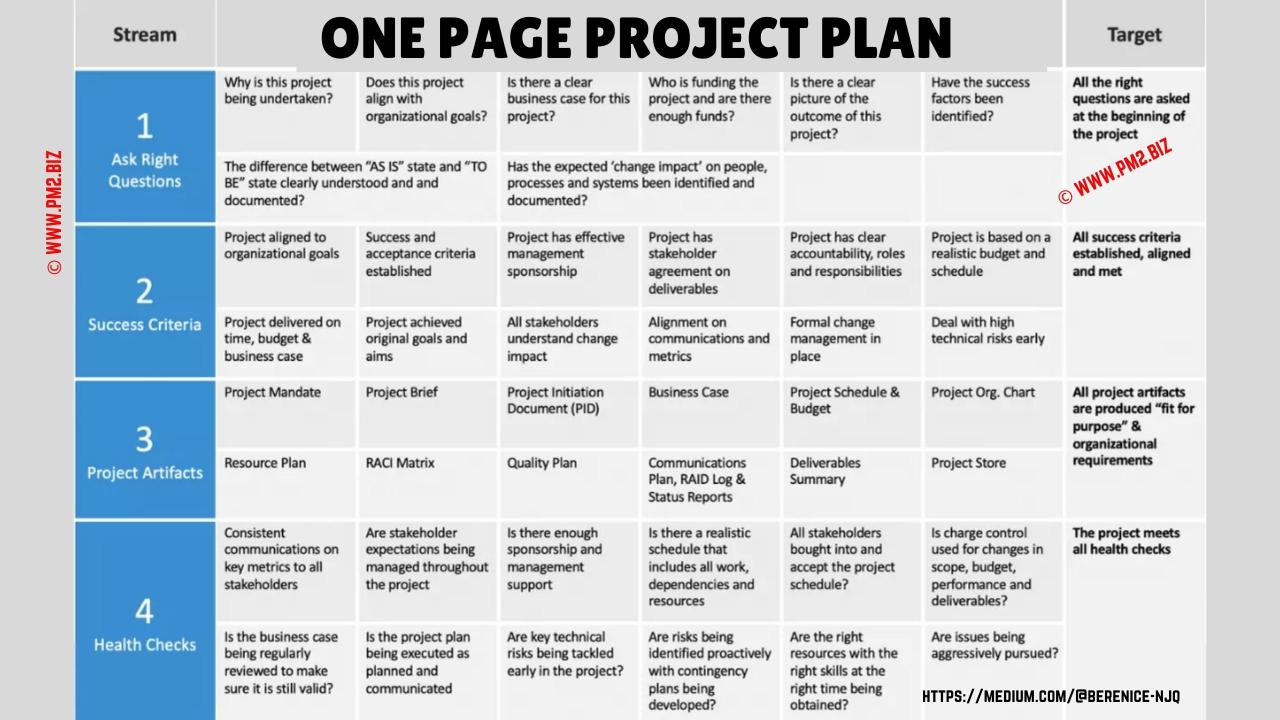
![48 Professional Project Plan Templates [Excel, Word, PDF] ᐅ TemplateLab](https://akari.web.id/wp-content/uploads/2025/09/project-planning-template-36.jpg "48 Professional Project Plan Templates [Excel, Word, PDF] ᐅ TemplateLab")
Developing detailed shot lists and comprehensive storyboards is a pivotal phase in video production that bridges the gap between pre-visualization and actual filming. These tools serve as visual roadmaps, ensuring that every scene aligns with the narrative intent, technical requirements, and creative vision. Properly crafted shot lists and storyboards facilitate efficient shooting schedules, minimize misunderstandings among crew members, and provide clarity on the director’s vision to everyone involved in the production process.A systematic approach to translating a script into effective shot sequences involves analyzing the script’s scenes, identifying key visual moments, and determining the most impactful way to capture each scene.
This process includes breaking down dialogues, actions, and emotional beats, then assigning specific camera angles, movements, and durations that enhance storytelling. Collaborating with the director, cinematographer, and other key personnel during this phase ensures that the visual plan aligns with the overall creative goal and technical constraints.
Designing a responsive shot detail table
To organize shot information efficiently, creating a responsive table template is essential. Such a table enables the production team to record, view, and modify shot details easily across various devices and screen sizes. A typical shot detail table includes columns for shot number, scene number, shot description, camera angle, movement, duration, and notes. This structured format ensures consistency and quick reference during filming.Here is a recommended template for organizing shot details:
| Shot Number | Scene | Description | Camera Angle | Movement | Duration | Notes |
|---|---|---|---|---|---|---|
| 1 | 1 | Close-up of protagonist’s face reacting to news | Eye-level | Static | 5 seconds | Focus on facial expressions, soft background blur |
| 2 | 1 | Wide shot of the room showing multiple characters | High angle | Panning right to left | 8 seconds | Establishing environment, dynamic movement |
Visual references and annotations are integral to storyboarding, providing clarity and conveying the director’s vision. Incorporating visual references involves attaching sketches, photographs, or color palettes that depict the intended shot aesthetic. Annotations include notes on lighting, mood, special effects, or camera techniques, which guide the crew during setup and filming. Clear and detailed storyboards, enriched with visual cues, reduce ambiguity, streamline communication, and help identify potential challenges ahead of time.
Planning Camera Movements and Angles
Efficiently planning camera movements and selecting appropriate angles are crucial steps in crafting visually compelling and emotionally resonant videos. These elements influence how viewers perceive the story, guiding their focus, evoking emotions, and enhancing the overall narrative flow. A well-structured approach ensures that each shot serves its intended purpose and aligns seamlessly with the story’s progression.Careful mapping of camera actions such as pans, tilts, dollies, and tracking shots allows filmmakers to create dynamic scenes that maintain viewer engagement.
These movements can build suspense, reveal context, or follow characters smoothly through complex environments. Selecting strategic angles complements these movements by providing perspective, emphasizing characters or objects, and conveying specific emotional tones—whether it’s a low-angle shot to impart power or a high-angle shot to suggest vulnerability.When planning complex shots involving multiple camera setups, coordination and clarity are paramount. Synchronizing different angles and movements requires detailed planning to avoid continuity errors and ensure fluid transitions.
This often involves storyboarding detailed sequences or creating shot diagrams to visualize the interplay of camera positions, movements, and timing during the shoot.
Mapping Out Dynamic Camera Actions
Dynamic camera movements such as pans, tilts, dollies, and tracking shots should be meticulously mapped out during pre-production.
- Storyboarding and Shot Diagrams: Use detailed sketches to plot camera paths and movements in relation to the scene’s action or emotional beats. For example, a slow dolly-in can intensify a moment of realization, while a quick pan can introduce a scene’s environment dynamically.
- Timing and Rhythm: Determine the speed and rhythm of movements to match the scene’s mood. A shaky, rapid camera movement may evoke chaos, whereas smooth, slow movements suggest calm or introspection.
- Technical Planning: Identify the required equipment such as dollies, gimbals, or Steadicams, and plan for the space needed to execute these moves safely and smoothly. Consider the scene’s duration and complexity to allocate appropriate time and resources.
“Mapping camera movements ensures fluidity and purpose, transforming mere actions into storytelling tools.”
Organizing Strategic Camera Angles
Selecting the right angles involves understanding how perspective influences viewer perception and emotional impact.
- Purpose-Driven Selection: Choose angles that align with the scene’s narrative purpose—whether to reveal information, create intimacy, or establish dominance. For instance, a low-angle shot of a character can evoke power, while a high-angle shot can diminish their stature.
- Emotional Conveyance: Use angles to evoke specific emotions—over-the-shoulder shots for intimacy, wide shots for isolation, or extreme close-ups for intensity. The angle should complement the scene’s tone and character’s state of mind.
- Balancing Composition and Perspective: Consider the overall composition to maintain visual balance while emphasizing the story’s focal points. Strategic use of leading lines and framing enhances the viewer’s focus and emotional engagement.
“Angles are not just viewpoints—they are tools to shape perception and evoke emotional responses.”
Planning Complex Shots with Multiple Camera Setups
Complex scenes with multiple camera setups require detailed coordination to ensure seamless integration of various angles and movements.
- Shot Listing and Sequencing: Develop comprehensive shot lists that specify camera positions, movements, and timing. This helps in maintaining continuity and avoids conflicts between setups.
- Use of Multicam Blocking: During rehearsals, block each camera’s movement and position relative to actors and environment. Document these details to ensure precision during shooting.
- Synchronization and Communication: Establish clear communication protocols among the camera operators, director, and crew. Use marked marks on the floor or visual cues to coordinate simultaneous actions.
- Technical Considerations: Plan for equipment placement, cable management, and space constraints to facilitate smooth transitions between shots. Employ remote controls or robotic camera systems for precise movements when necessary.
Executing complex shots with multiple setups demands meticulous planning, rehearsal, and synchronization to achieve cinematic excellence without disrupting the scene’s flow.
Scheduling and shot logistics
Effective scheduling and shot logistics are crucial components of a well-organized video production. They ensure that every scene is captured efficiently, resources are optimally utilized, and the production timeline remains on track. Proper planning minimizes delays, reduces costs, and enhances collaboration among the crew, actors, and other stakeholders. A thorough approach to scheduling and logistics contributes to a smoother production process and a high-quality final product.Coordinating shot setups, actor positioning, and timing requires meticulous planning to synchronize all elements seamlessly.
This involves creating a detailed timeline that accounts for the complexity of each shot, the movement of equipment, and the actors’ readiness. Ensuring that each scene is prepared in advance reduces downtime between shots and facilitates a steady workflow. Clear communication among team members about responsibilities and timing is essential to adapt swiftly to unforeseen circumstances or changes in the schedule.
Establishing a Shooting Schedule
A comprehensive shooting schedule maximizes efficiency by clearly outlining the sequence of scenes, shot timings, and resource allocation. When creating the schedule, consider factors such as location availability, actor availability, lighting conditions, and the complexity of each shot. Grouping scenes that share locations or actors minimizes movement and setup time, creating a logical flow for filming.Guidelines for an effective shooting schedule include:
- Prioritize scenes based on logistical convenience and narrative importance.
- Allocate buffer time for unforeseen delays or technical issues.
- Designate specific periods for equipment setup, rehearsals, and breaks.
- Coordinate with the cast and crew to ensure their availability aligns with the schedule.
A well-structured schedule should be flexible enough to accommodate adjustments while maintaining overall efficiency.
Coordinating Shot Setups and Actor Positioning
Efficient coordination of shot setups and actor positioning relies on detailed planning and communication. Before filming begins, create a setup plan that indicates where equipment, lighting, and cameras will be positioned for each shot. This plan should consider the movement of actors, props, and crew to avoid congestion and ensure safety.Procedures for smooth coordination include:
- Designate specific roles for crew members responsible for setup and breakdown to streamline operations.
- Use a shot log or call sheet that clearly specifies each shot’s location, camera angles, and actor movements.
- Establish a communication system, such as walkie-talkies or headsets, to keep everyone updated on transitions between shots.
- Implement a rehearsal schedule to confirm that actor movements and setups align with the planned shots.
This structured approach helps prevent delays and ensures that each shot is executed precisely as intended.
Assigning Responsibilities and Tracking Progress
To maintain oversight of the shooting process, develop a table that assigns responsibilities and tracks progress across all scenes and shots. This table serves as a visual guide for the entire team, fostering accountability and transparency.A sample table structure might include the following columns:
Scene Number | Shot Description | Responsible Crew Member | Status | Completion Date | Notes
The table should be updated regularly to reflect real-time progress, identify bottlenecks, and facilitate reallocation of resources if necessary. Clear responsibility assignments ensure that each team member understands their tasks, allowing for swift problem-solving and efficient workflow. Tracking progress also helps in maintaining the overall timeline and preparing for post-production phases without unnecessary delays.
Rehearsing and Adjusting Shot Plans
Rehearsing and refining shot plans are essential steps in the filmmaking process, ensuring that the director’s vision is accurately translated onto the screen. This stage allows the cast and crew to familiarize themselves with the planned sequences, identify potential issues, and make necessary adjustments before actual filming begins. Effective rehearsal and adjustment not only enhance the quality of the final product but also optimize time and resource management during production.Thorough rehearsal of shot plans provides valuable insights into how scenes will unfold, how actors will interact within their designated spaces, and whether technical considerations such as lighting and camera movements align with the initial vision.
It serves as a testing ground where unforeseen challenges can be identified and addressed, reducing costly interruptions during principal photography. Additionally, flexible adjustment of shot plans in response to rehearsal outcomes ensures that creative intentions are maintained while accommodating practical realities on set.
Techniques for Rehearsing Shots with Actors and Crew
Effective rehearsals involve coordinated efforts among actors, camera operators, lighting technicians, and directors. Establishing clear communication about the scene’s objectives and shot intentions is fundamental. Techniques include:
- Blocking rehearsals: Executing the movement and positioning of actors and camera within the space to visualize the scene’s flow. For example, actors can practice their cues while camera operators test framing and movements.
- Run-throughs: Performing entire scenes multiple times to evaluate performance, timing, and technical aspects, allowing adjustments to be made for natural pacing and camera angles.
- Technical rehearsals: Incorporating lighting setups, camera focus adjustments, and sound checks during rehearsals to identify conflicts or technical limitations.
- Use of rehearsal tools: Employing markers, tape, or digital tools like virtual staging to mark positions and movements for precise coordination.
Encouraging open feedback during rehearsals fosters a collaborative environment where actors and crew can voice concerns or suggest improvements, leading to more refined shot plans.
Reviewing and Refining Shot Sequences Based on Test Runs
Test runs, or dry runs, are crucial for evaluating how well the planned shots function in practice. They serve as critical checkpoints for identifying issues related to timing, framing, or actor movement that may not be evident on paper. During test runs, the team should observe the following aspects:
- Scene pacing: Ensuring that shots flow smoothly and meet the emotional tone intended by the director.
- Technical performance: Verifying focus, exposure, and camera movements are executed accurately and consistently.
- Actor performance: Confirming that actors’ movements align with shot compositions and that cues are clear.
- Logistical considerations: Validating the ease of equipment setup, movement within the set, and timing for scene transitions.
Based on observations, the shot sequence can be refined by adjusting angles, modifying actor movements, or re-sequencing shots for efficiency. Maintaining detailed notes during these tests facilitates precise revisions and helps ensure continuity across takes.
Adapting Plans Quickly to Unforeseen Circumstances During Production
Flexibility during filming is vital, as unexpected challenges such as weather changes, technical failures, or actor availability can arise unexpectedly. Preparing contingency plans and fostering adaptability among the crew enable smooth adjustments without compromising the project’s integrity.Some effective strategies include:
- Developing backup shot lists: Creating alternative shots or angles that can be substituted if original plans become unfeasible.
- Real-time communication: Utilizing walkie-talkies or digital communication tools ensures swift dissemination of changes and quick decision-making on set.
- Delegation of authority: Empowering assistant directors and crew members to make on-the-spot decisions accelerates problem resolution.
- Utilizing portable equipment: Having adaptable gear such as handheld stabilizers or mobile lighting units allows quick modifications to shot compositions in response to unforeseen circumstances.
Incorporating these practices ensures that the production can maintain momentum, keep costs controlled, and uphold the creative vision despite unpredictable challenges.
Post-planning Review and Documentation
Effective post-planning review and meticulous documentation are crucial steps in the video production process. They ensure that all visual plans are accurately recorded, facilitate seamless continuity, and support efficient communication among the production team. Proper documentation acts as a reference point for future revisions, helps identify potential issues early, and provides a clear record of the creative and technical decisions made during planning stages.Comprehensive documentation of shot plans and revisions plays a vital role in maintaining consistency throughout filming and editing.
It enables team members to understand the intent behind each shot, ensures adherence to the original vision, and simplifies troubleshooting if deviations occur. Moreover, well-organized records are invaluable for post-production, allowing editors and colorists to match footage precisely with the intended look and feel.
Documenting Shot Plans and Revisions for Continuity
Maintaining accurate records of shot plans and any changes made during pre-production and production stages is fundamental to continuity. These documents serve as an authoritative reference, minimizing miscommunication and ensuring that all team members are aligned. When revisions are necessary—whether due to location changes, actor availability, or technical issues—documenting these alterations ensures that everyone remains informed. This prevents inconsistencies such as mismatched scenes or conflicting visual elements, which can compromise the final quality of the production.A structured approach to documentation helps in tracking the evolution of the shot plan, highlighting the rationale behind each change.
This historical record supports troubleshooting and decision-making during editing, as editors can understand why certain shots were chosen or altered. Properly documented plans also facilitate smooth reshoots or pickups, as the team can quickly reference previous versions and understand the intended outcome.
Format for Compiling Shot Lists, Storyboards, and Technical Notes
A standardized format enhances clarity and ease of use when compiling essential production documents. The following structure is recommended for organizing shot lists, storyboards, and technical notes:
| Section | Description |
|---|---|
| Shot List | A numbered sequence detailing each shot with parameters including shot number, scene, description, camera angle, movement, lens choice, and duration. This list provides a quick reference guiding the filming process. |
| Storyboards | Visual representations of each shot in sequence, illustrating framing, composition, character positions, and camera movements. Clear annotations on each board specify technical details, movement directions, and timing. |
| Technical Notes | Additional specifications like lighting setups, camera settings, sound considerations, and special effects instructions. These notes ensure technical consistency and preparedness across departments. |
A well-organized documentation template should include fields for each of these components, enabling easy updates and sharing. Digital tools like spreadsheet software, storyboarding applications, and collaborative platforms can streamline this process.
Communicating Shot Plans to the Production Team
Effective communication of shot plans is essential for synchronization across various departments, including camera operators, lighting designers, sound engineers, and actors. Sharing comprehensive and accessible documentation ensures that everyone understands their roles and the overall vision, which minimizes errors and delays.Best practices for communication include:
- Distributing digital copies of shot lists, storyboards, and technical notes well before shooting begins, allowing team members ample time to review.
- Conducting briefings or walkthroughs where key elements of the shot plan are explained, questions addressed, and potential issues discussed.
- Using visual aids such as annotated storyboards or shot diagrams during team meetings to enhance understanding.
- Establishing a clear protocol for updates and revisions, with version control to prevent confusion over the most current plans.
- Encouraging open dialogue among departments to ensure technical feasibility and creative consistency, fostering a collaborative environment.
Effective communication ensures that the production proceeds smoothly, with all team members aligned in executing their respective tasks according to the documented shot plans. This coordinated approach ultimately contributes to a cohesive and professionally executed final product.
Ending Remarks
In conclusion, effective planning of video shots is a vital component of successful filmmaking. It ensures that each scene contributes meaningfully to the story while optimizing production efficiency. With meticulous preparation and attention to detail, you can create visually engaging videos that captivate your audience from start to finish.