Learning how to shoot cinematic video involves more than just using high-quality equipment; it requires understanding the fundamental principles of visual storytelling, camera settings, composition, lighting, and camera movements. These elements work together to create compelling visuals that evoke emotion and immerse viewers in the narrative.
This guide provides a comprehensive overview of the essential techniques and equipment needed to produce cinematic footage, from selecting the right gear and settings to mastering composition and post-production, ensuring your videos achieve a professional and film-like quality.
Understanding cinematic video basics
Cinematic videos stand apart from standard footage through their distinctive visual language, storytelling, and technical execution. They aim to evoke emotion, immerse viewers in a narrative, and create a polished, artistic aesthetic. Achieving this level of visual storytelling requires a solid grasp of the fundamental principles that underpin cinematic production, as well as an understanding of the technical choices that influence the final look.
By mastering the basics of cinematic filmmaking, creators can craft videos that not only communicate their message effectively but also resonate emotionally with audiences. This involves a careful balance of technical settings, composition, lighting, and narrative coherence. The following sections delve into the core principles that define cinematic videos and how they differ from regular footage, especially in terms of camera settings and visual storytelling.
Fundamental principles that distinguish cinematic videos from regular footage
Several key principles set cinematic videos apart, focusing on aesthetics, technical control, and narrative quality. These include the use of specific camera techniques, color grading, depth of field, and a focus on storytelling. Unlike quick, handheld shots typical of casual or documentary footage, cinematic videos emphasize smooth movement, controlled framing, and visual consistency to maintain immersion.
Color grading plays a vital role in establishing mood and tone, while lighting is carefully orchestrated to enhance depth and texture. Additionally, the use of aspect ratios, lens choices, and camera stabilization techniques contribute significantly to the cinematic feel. All these elements work synergistically to produce a refined, professional appearance that elevates storytelling beyond mere documentation.
Importance of storytelling and visual language in cinematic production
Storytelling lies at the heart of cinematic filmmaking, with visual language serving as its primary tool. Effective storytelling guides the viewer through a narrative, using visuals to evoke emotions, highlight themes, and develop characters. Cinematic visuals utilize composition, color palettes, lighting, and camera angles to subconsciously influence the viewer’s perception and emotional response.
Visual language includes techniques like selecting specific focal lengths to create intimacy or distance, employing lighting to set moods, and framing shots to emphasize relationships or tension. When these elements are thoughtfully orchestrated, they create a cohesive story that engages viewers on multiple sensory levels, making the cinematic experience captivating and memorable.
Comparison table outlining technical differences in camera settings for cinematic vs. standard videos
| Aspect | Cinematic Videos | Standard Videos | Notes |
|---|---|---|---|
| Frame Rate | 24 fps (frames per second) | 30 fps or higher | 24 fps provides a more “film-like” motion, often associated with traditional cinema. |
| Shutter Speed | 1/48 sec for 24 fps (or double the frame rate) | 1/60 sec or higher | Shutter speed influences motion blur; cinematic often adheres to the 180-degree rule for natural motion blur. |
| Aperture | Wide apertures (f/1.4–f/2.8) for shallow depth of field | Variable, often narrower (f/4–f/8) | Wide apertures create background blur, isolating subjects and adding to cinematic feel. |
| ISO | Kept low (100–400) for minimal noise | Higher ISO values common, especially in low light | Maintaining low ISO ensures cleaner images, crucial for professional cinematic quality. |
Selecting the right gear for cinematic shooting

Choosing appropriate equipment is fundamental to achieving professional-quality cinematic footage. The right gear not only enhances image quality but also offers flexibility, stability, and creative control during filming. A well-selected set of tools allows filmmakers to translate their artistic vision into compelling visual stories with clarity and precision.
In this section, we explore essential camera types and lenses suited for cinematic production, procedures for selecting stabilization equipment to achieve smooth shots, and a curated list of accessories that further elevate cinematic quality. Making informed choices in these areas ensures that your gear supports your creative goals and delivers consistent, high-quality results on set.
Essential Camera Types and Lenses for Cinematic Quality
The foundation of a cinematic shoot is a camera capable of capturing high-resolution footage with excellent dynamic range, color depth, and low-light performance. The choice of camera type significantly influences the overall aesthetic and workflow. Additionally, selecting the right lenses determines the visual style and depth, impacting storytelling and emotional engagement.
Modern cinematic productions often utilize digital cinema cameras that offer advanced features, such as the RED Komodo, ARRI Alexa Mini, or Blackmagic URSA Mini Pro. These cameras support 4K or higher resolutions, RAW recording formats, and broad color gamuts, essential for high-end cinematic work. Their modular design allows customization with various lenses and accessories.
Lens selection is equally critical. Prime lenses, characterized by fixed focal lengths, provide superior sharpness, wider apertures, and a pleasing depth of field. Common choices include 50mm, 85mm, and 35mm primes, ideal for portrait shots, close-ups, and versatile framing. Zoom lenses, such as 24-70mm or 70-200mm, offer flexibility during dynamic scenes, reducing the need to swap lenses frequently. A combination of prime and zoom lenses enables filmmakers to adapt to different shooting scenarios efficiently.
“Opt for lenses with wide apertures (f/1.4 to f/2.8) to achieve a cinematic shallow depth of field and beautiful background bokeh, enhancing subject focus and visual richness.”
Choosing Stabilization Equipment: Gimbals and Rigs
Camera stability is vital for cinematic visuals, especially during movement-heavy sequences. Proper stabilization equipment minimizes unwanted shake and jitter, ensuring smooth, professional-looking footage. The choice between gimbals, shoulder rigs, steadicams, or dollies depends on the shot requirements, environment, and budget.
Gimbals, such as the DJI Ronin-S or Zhiyun Crane series, are highly recommended for handheld or mobile shots. They employ motorized stabilization systems that allow fluid movement while maintaining a stable horizon. When selecting a gimbal, consider payload capacity to ensure compatibility with your camera and lenses. For complex or dynamic shots, multi-axis gimbals provide enhanced stability.
Rig systems, including shoulder rigs and cage setups, offer a stable platform for longer takes and can be combined with external monitors and accessories. Steadicams are suitable for tracking shots and complex camera movements, providing a smooth experience even over uneven terrain. For stationary shots, dollies or sliders can add cinematic motion with precise control.
“Invest in high-quality stabilization gear that matches your shooting style, as stability is a cornerstone of cinematic visual storytelling.”
Recommended Accessories to Enhance Cinematic Footage
Accessories play a crucial role in optimizing image quality, controlling lighting, and expanding creative possibilities. Properly selected tools can significantly improve the technical and aesthetic aspects of your footage.
Among the essential accessories are filters, such as ND (Neutral Density) filters, which allow precise control over exposure, especially in bright outdoor environments. Graduated ND filters help balance exposure between the sky and mountains, for example, creating more dynamic and balanced shots. UV filters protect your lenses from scratches and dust.
Lighting equipment, including portable LED panels, softboxes, and reflectors, enables filmmakers to control light quality, direction, and color temperature. Proper lighting enhances subject separation, mood, and visual clarity. Battery packs and power solutions ensure uninterrupted shooting sessions, especially in remote locations.
Other valuable accessories include external monitors for better framing and focus, follow focuses for precise lens control, and cable management systems to keep setups tidy and efficient. These tools collectively contribute to achieving a polished, cinematic look consistently.
“Utilize high-quality filters and lighting tools to refine exposure, color, and mood, transforming standard footage into cinematic masterpieces.”
Camera Settings for Cinematic Video

Achieving a cinematic look through your footage heavily depends on selecting appropriate camera settings that enhance the storytelling and visual quality. Fine-tuning frame rates, resolutions, aspect ratios, and exposure parameters is essential for creating a polished, professional appearance that resonates with audiences. Proper camera configuration allows filmmakers to evoke emotion, establish mood, and maintain consistency across scenes.
Understanding the technical nuances of camera settings empowers creators to maximize the capabilities of their equipment, ensuring their footage aligns with cinematic standards. This section delves into optimal choices for frame rates, resolutions, aspect ratios, exposure adjustments, and color grading profiles, providing a comprehensive guide to elevate your filmmaking process.
Optimal Frame Rates, Resolutions, and Aspect Ratios for Cinematic Effects
Choosing the right combination of frame rate, resolution, and aspect ratio is fundamental to achieving a cinematic aesthetic. Frame rate influences motion perception; resolutions determine image detail and clarity, while aspect ratios shape the composition and visual storytelling style.
For cinematic videos, the common standard is to shoot at 24 frames per second (fps), which closely mimics the motion cadence of traditional film, providing a natural and timeless look. Higher frame rates, such as 50 fps or 60 fps, are often used for slow-motion effects or modern digital productions but can detract from the classic cinematic feel if overused.
When considering resolution, 4K (3840×2160 pixels) is increasingly preferred for its sharpness and flexibility in post-production, though 1080p (Full HD) remains viable for many projects.
Aspect ratios significantly impact the visual style; a 16:9 ratio is standard for television and online platforms, whereas a 2.35:1 or 2.39:1 aspect ratio—known as anamorphic or scope—is widely adopted for feature films. These wider ratios create a more immersive experience, emphasizing horizontal composition and allowing for dramatic framing.
Exposure Triangle Adjustments for Cinematic Look
Mastering the exposure triangle—ISO, aperture, and shutter speed—is crucial to crafting a cinematic appearance with controlled contrast, depth, and motion blur. Balancing these elements ensures properly exposed footage that conveys mood and atmosphere effectively.
Below is a table illustrating typical adjustments for achieving cinematic visuals:
Parameter Optimal Setting Notes ISO 100-800 (preferably base ISO) Keep ISO low to avoid grain; increase only in low-light situations with proper noise reduction Aperture f/1.4 to f/5.6 Wider apertures for shallow depth of field, isolating subjects, or creating background bokeh Shutter Speed 1/48 sec for 24 fps Follow the 180-degree rule to maintain natural motion blur, which is typically double the frame rate
Adjusting these settings thoughtfully results in footage with a cinematic feel, characterized by smooth motion, rich colors, and balanced exposure. For instance, shooting at 1/48 sec shutter speed when recording at 24 fps produces natural motion blur akin to traditional film, enhancing realism and immersion.
Color Grading Settings and Profiles for Film-like Colors
Color grading plays an essential role in transforming flat footage into visually compelling, film-like images. Applying the right color profiles and grading techniques helps in setting the mood, emphasizing skin tones, and establishing a consistent visual style across your project.
Most professional cameras offer Log profiles—such as Sony’s S-Log, Canon’s C-Log, or Blackmagic Design’s Film profiles—which capture a wide dynamic range and flat color data. Recording in Log mode provides maximum flexibility in post-production for color correction and grading, producing richer, more nuanced colors that emulate traditional film stocks.
When grading, focus on adjusting contrast, saturation, and color balance to achieve a cohesive look. Cinematic color palettes often favor subdued tones, slightly desaturated colors, or specific color casts to evoke mood. For instance, a teal-orange grading style enhances skin tones while adding visual punch, a popular choice in modern cinematography.
Applying LUTs (Look-Up Tables) designed for cinematic styles can streamline the process, providing a quick starting point for achieving film-like colors. The goal is to create a consistent color theme that enhances storytelling, whether it’s warm and inviting or cold and tense, depending on the narrative context.
Composition and Framing Techniques
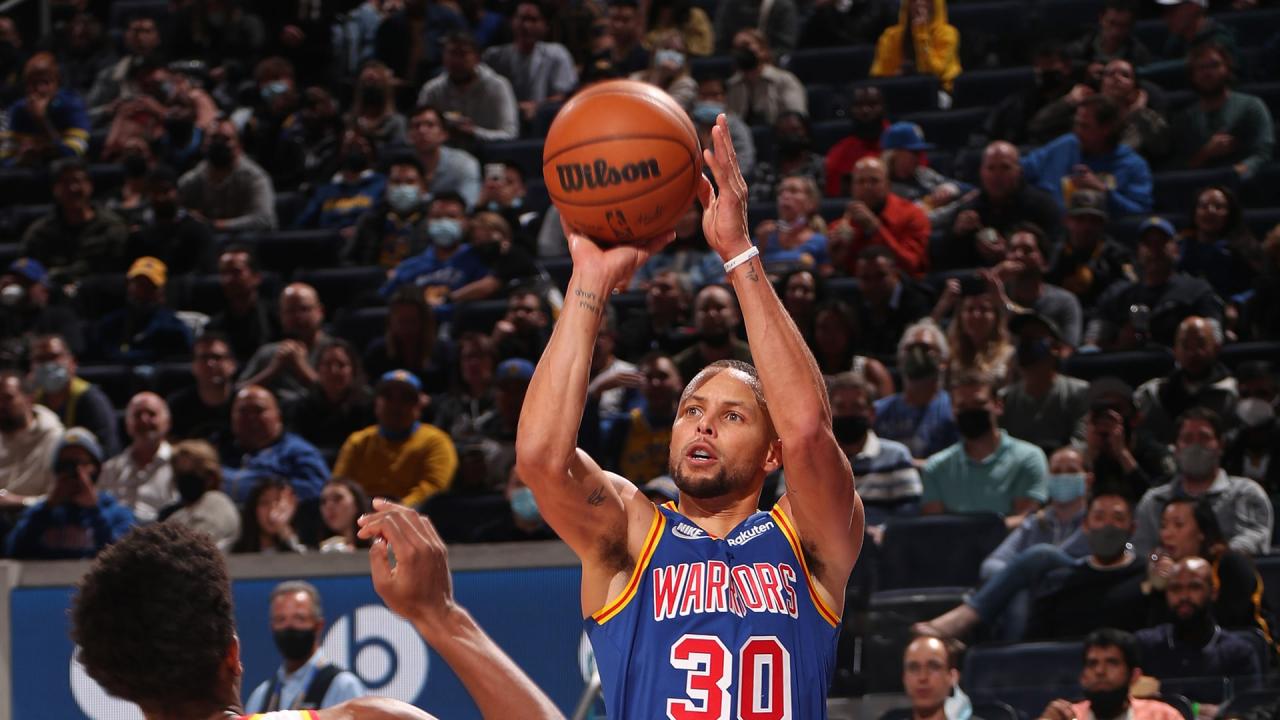
Creating cinematic videos involves more than just camera settings; it requires thoughtful composition and framing to evoke emotions, direct viewers’ attention, and tell a compelling story visually. Mastery of these techniques enhances the overall impact of your footage and ensures your narrative is visually engaging and aesthetically pleasing. Proper use of composition rules and framing methods allows filmmakers to craft scenes with depth, perspective, and clarity that resonate with the audience.Effective composition and framing are fundamental to cinematic storytelling, guiding the viewer’s eye and emphasizing key elements within each shot.
When executed skillfully, these techniques help establish mood, highlight relationships between subjects, and create a layered visual experience that enriches the narrative.
Rules of Composition: Rule of Thirds, Leading Lines, and Framing
The foundation of compelling cinematic shots lies in understanding and applying basic composition rules. These principles help create balanced, dynamic visuals that naturally draw the viewer’s attention and convey meaning.
Understanding and implementing the following composition techniques can significantly elevate the quality of your videos:
- Rule of Thirds: Dividing your frame into nine equal segments with two horizontal and two vertical lines creates a grid. Positioning key subjects or points of interest along these lines or at their intersections (called power points) results in more balanced and engaging compositions. For example, placing a subject’s eyes at one of the upper intersections enhances emotional connection and visual appeal.
- Leading Lines: Utilizing natural or man-made lines within the scene—such as roads, fences, or architectural elements—to guide the viewer’s eye toward the main subject or deeper into the frame. This technique adds depth and directs attention effectively, creating a sense of movement and perspective.
- Framing: Using elements within the scene—like windows, doorways, or foliage—to surround or highlight the subject. Framing not only isolates the subject but also adds context and depth, making the shot more immersive and cinematic.
Planning Shot Sequences for Narrative Coherence
A well-structured shot sequence is crucial for maintaining narrative flow and emotional engagement. Planning involves mapping out each shot to ensure that visual storytelling aligns with the script and overall story arc.
To achieve coherent and impactful shot sequences, consider the following steps:
- Storyboard your scenes: Sketch or Artikel each shot to visualize the sequence, considering camera angles, movements, and framing. This helps identify transitions and ensures visual continuity.
- Define shot purposes: Assign specific objectives to each shot, such as establishing the setting, introducing a character, or emphasizing a moment of tension. Clarity in purpose guides camera decisions and framing choices.
- Sequence planning: Arrange shots logically to build narrative momentum, considering shot duration, camera angles, and movement to evoke desired emotions and maintain pacing.
- Consistency in style: Maintain visual coherence throughout the sequence by using complementary framing, lighting, and camera techniques, reinforcing the story’s tone.
Incorporating Depth and Perspective
Adding depth and perspective to your shots transforms flat images into rich, immersive scenes. These elements create a sense of space and realism that draws viewers into the story.
Methods to incorporate depth and perspective include:
- Foreground, Middleground, and Background: Compose scenes with multiple layers to create a three-dimensional feel. For example, placing a subject in the middleground with elements in the foreground and background adds spatial context.
- Camera Angles and Movements: Low-angle shots can exaggerate scale and power, while high-angle shots diminish a subject, conveying vulnerability. Using camera movements such as push-ins, pull-outs, or dolly shots enhances perspective and guides viewer attention.
- Use of Light and Shadow: Lighting can shape perception by emphasizing certain planes within the scene. Shadows and contrast add volume and texture, making scenes more dynamic and multi-dimensional.
- Lens Selection: Wide-angle lenses exaggerate foreground features relative to the background, enhancing depth, while telephoto lenses compress space for a flatter appearance. Choosing the appropriate lens accentuates the desired perspective.
“Effective composition and framing are the visual skeleton of cinematic storytelling, turning simple scenes into compelling narratives.”
Lighting Setup for Cinematic Videos

Lighting plays a vital role in shaping the mood, depth, and visual storytelling of cinematic videos. Achieving the desired cinematic quality requires a deliberate combination of natural and artificial light sources, carefully arranged to enhance the scene’s emotion and narrative. A well-designed lighting plan helps to control shadows, highlights, and color tones, ensuring that each shot contributes meaningfully to the overall visual style.
Implementing an effective lighting setup involves understanding how to manipulate various light sources and their placement. Whether utilizing the sun, reflectors, diffusers, or studio lights, the goal is to craft a scene that feels natural yet artistically compelling. A comprehensive lighting plan considers the scene’s mood, time of day, and technical requirements, aiming to create a harmonious balance that guides the viewer’s focus and emphasizes key elements within the frame.
Designing a Comprehensive Lighting Plan
Creating a lighting plan involves assessing the scene’s environment and determining the optimal combination of natural and artificial lighting sources. The plan should Artikel the placement of lights, modifiers, and reflectors, as well as the color temperature and intensity needed to achieve the desired cinematic effect.
- Utilize natural light sources such as sunlight, which can be softened with diffusion or bounce boards to create gentle, natural illumination. The time of day influences the quality and color of sunlight, with golden hour providing warm, flattering tones.
- Incorporate artificial lights like LED panels, tungsten lights, or HMIs to supplement or replace natural sources when necessary. These allow precise control over brightness and color temperature.
- Employ light modifiers such as softboxes, umbrellas, and diffusion gels to soften harsh light, or flags and barn doors to control spill and focus the light precisely.
- Use reflectors to bounce light into shaded areas or to fill in shadows subtly, maintaining depth without flattening the scene.
- Consider the scene’s depth and mood to adjust the lighting setup accordingly, ensuring consistency across shots and scenes for continuity.
The Three-Point Lighting Setup and Its Application
The three-point lighting technique remains a fundamental principle in cinematic lighting, offering a versatile framework for illuminating subjects effectively. It provides a balanced and controlled approach that enhances the subject’s features while adding depth and dimension to the scene.
- Key Light: Positioned at a 45-degree angle to the subject, this primary light source establishes the main illumination and determines the scene’s overall mood. Its intensity and distance control the contrast and shadow quality.
- Fill Light: Placed opposite the key light, usually at a lower intensity, the fill light softens the shadows created by the key, revealing details and preventing overly harsh contrasts. Its placement and brightness influence the scene’s softness and atmosphere.
- Back Light (or Hair Light): Situated behind or above the subject, this light creates a rim or edge around the subject, separating it from the background and adding visual interest. It contributes to depth perception and highlights the subject’s contours.
In cinematic scenes, this setup can be adjusted to evoke different emotions. For instance, a high-contrast setup with strong backlighting can produce a dramatic or noir effect, while softer fill and key lights are ideal for intimate or romantic scenes. The three-point setup provides flexibility for various storytelling styles, from naturalistic to stylized cinematography.
Comparison of Lighting Styles
Different lighting styles significantly impact the scene’s mood, texture, and visual storytelling. Understanding their effects helps cinematographers craft the appropriate look for each scene. The following table summarizes three common lighting styles—soft, hard, and silhouette—highlighting their characteristics and typical applications.
| Lighting Style | Description | Effects | Typical Use Cases |
|---|---|---|---|
| Soft Lighting | Utilizes diffused light sources, such as large softboxes or reflected natural light, to produce gentle, even illumination with minimal shadows. | Creates a smooth, flattering appearance that reduces skin imperfections, adds a sense of warmth, and creates a dreamy, romantic atmosphere. | |
| Hard Lighting | Uses small, direct light sources without diffusion, resulting in sharp, well-defined shadows and high contrast. | Emphasizes texture and detail, enhances drama, and can produce stark, edgy visuals suitable for tension or suspense. | |
| Silhouette Lighting | Places the subject against a bright background with backlighting, rendering the subject dark and featureless. | Conveys mystery, drama, or anonymity, focusing attention on shape and form rather than details. |
“The choice of lighting style profoundly influences the emotional tone and visual storytelling of cinematic scenes.”
Using camera movements to enhance cinematic storytelling
Camera movements are vital tools in cinematic videography, offering filmmakers the ability to evoke emotions, emphasize narrative moments, and create a sense of immersion. Thoughtful application of dolly, pan, tilt, and slider shots can transform static scenes into dynamic visual storytelling devices, engaging viewers and conveying subtle nuances of the story.
Mastering the strategic use of camera movements allows creators to guide audience attention, build tension, or establish mood. When planned correctly, these movements support the narrative flow, adding depth and sophistication to cinematic videos. Properly executed camera motions can make scenes feel more natural or dramatic, depending on the storytelling intent, thus elevating the overall production quality.
Impact of camera movements on cinematic storytelling
Camera movements serve as a language for visual storytelling, influencing how viewers interpret and connect with the scene. Each type of movement carries specific emotional and narrative implications:
- Dolly shots: Provide a sense of advancement or retreat, often used to reveal information gradually or follow characters, creating intimacy or tension.
- Pan shots: Sweep horizontally, often used to establish environment or show reactions, emphasizing spatial relationships and spatial orientation.
- Tilt shots: Move vertically, typically to showcase height, emphasize a character’s emotional state, or reveal vertical elements in the scene.
- Slider shots: Offer smooth, controlled lateral or vertical movement, ideal for adding subtle motion that enhances scene depth or accentuates details without distraction.
Incorporating these movements thoughtfully enhances storytelling by adding layers of meaning, guiding viewer focus, and supporting the emotional tone of each scene. For example, a slow dolly-in can build suspense or intimacy, while a quick pan might introduce chaos or urgency.
Procedures for planning dynamic shots that support the narrative
Effective planning of camera movements begins with a comprehensive understanding of the scene’s narrative purpose. The following procedures ensure movements are intentional and effective:
- Define the scene’s emotional tone and narrative goal: Determine what the shot needs to convey—intimacy, tension, scale, or action.
- Select appropriate camera movements: Match movement type to desired emotional and narrative effect, considering scene dynamics.
- Storyboard or shot list preparation: Sketch or Artikel planned movements, noting start and end points, speed, and camera angles.
- Assess physical constraints and equipment: Ensure necessary gear (dolly, slider, stabilizer) are available and suitable for the planned shots.
- Coordinate with the crew: Communicate movement sequences, timing, and blocking to ensure synchronization and safety.
Pre-visualizing camera movements allows filmmakers to anticipate technical challenges and refine their shots, resulting in smoother execution and cohesive storytelling.
Recommended camera movement sequences for different scene types
The selection of movement sequences should align with the scene’s function within the narrative. Here are some examples tailored to common scene types:
| Scene Type | Recommended Camera Movements | Purpose/Effect |
|---|---|---|
| Intimate character moment | Dolly-in or slow slider shot | Focuses attention on the character, heightening emotional connection |
| Establishing shot of location | Panning across the scene | Reveals spatial context and environment |
| Action sequence | Quick pans, tilts, or whip pans, combined with dolly shots | Conveys speed, chaos, and energy |
| Revealing a dramatic element or surprise | Combination of tilt and dolly-in | Builds suspense and draws focus |
| Transition between scenes or viewpoints | Slider shot or lateral move | Smoothly guides viewer’s attention to new perspective |
“Strategic camera movements are not just technical choices—they are narrative tools that shape how your story is perceived.”
Depth of Field and Focus Techniques
Understanding and mastering depth of field (DoF) and focus techniques are essential for creating visually compelling cinematic videos. These aspects influence how viewers perceive the scene, directing their attention and conveying emotional nuances. Proper control over focus can add depth, drama, and clarity, making your footage more immersive and professional-looking.Achieving the desired cinematic effect hinges on manipulating aperture settings, lens choices, and focus transitions.
This involves understanding how different lenses and settings impact the focus plane, background blur, and viewer focus. Additionally, skillful use of rack focus and pre-visualization ensures your story is communicated effectively through visual cues.
Controlling Depth of Field Using Aperture and Lens Selection
Aperture size and lens choice are the primary tools to control the depth of field in cinematic videos. A wider aperture (represented by a lower f-number, such as f/1.4 or f/2.8) produces a shallow depth of field, isolating subjects from the background with a pleasing blur known as bokeh. This technique draws viewer attention directly to the subject, creating a cinematic and aesthetic quality.Conversely, narrowing the aperture (using higher f-numbers like f/8 or f/11) results in a deeper focus, keeping more of the scene in sharp detail.
This is beneficial in scenes where context and environment are important for storytelling. Lens selection also influences DoF; telephoto lenses (e.g., 85mm, 135mm) inherently produce a shallower depth of field compared to wide-angle lenses (such as 24mm or 35mm), even at the same aperture settings.In practical terms, choosing prime lenses with wide apertures enhances the ability to craft a cinematic look.
For example, filming a portrait with an 85mm f/1.4 lens can produce a beautifully blurred background, emphasizing the subject and adding emotional depth.
Implementing Rack Focus and Focal Length Choices to Guide Viewer Attention
Rack focus involves shifting the focus from one subject or point within the scene to another during a shot. This technique directs the viewer’s gaze seamlessly from one element to another, often revealing a narrative connection or emphasizing a change in importance. Effective rack focus requires pre-planning and precise control of focus transitions, accomplished through manual focus rings or follow-focus systems.By varying focal lengths, filmmakers can influence the perceived depth and scale of scenes.
Longer focal lengths (telephoto lenses) compress the scene, making foreground and background appear closer, which can intensify focus shifts. Shorter focal lengths (wide-angle lenses) expand the scene, providing a broader depth of field and a sense of space.To execute a successful rack focus, identify key focus points before shooting. For instance, in a scene where a character picks up an object, pre-visualizing the focus points ensures a smooth transition that guides the audience’s attention from the character’s face to the object.
Maintaining consistent focus during movement, and practicing focus pulls, enhances the cinematic quality and storytelling clarity.
Pre-visualizing focus points allows for precise focus transitions, ensuring the viewer’s attention follows the narrative seamlessly, enhancing emotional and visual impact.
Incorporating Sound and Music to Elevate Cinematic Videos
Creating a captivating cinematic video extends beyond visuals; sound design and music play a pivotal role in immersing viewers and enhancing storytelling. The strategic use of high-quality audio elements can evoke emotions, set atmosphere, and underscore narrative beats, transforming a simple video into a compelling cinematic experience. Mastering sound and music integration involves capturing pristine audio during filming, carefully selecting suitable background tracks and sound effects, and skillfully mixing these elements to produce a cohesive auditory experience that complements the visuals.
Techniques for Capturing High-Quality Sound During Filming
Achieving professional-grade sound begins with proper recording techniques and equipment. Using external microphones, such as shotgun mics or lapel (lavaliere) mics, ensures clear capture of dialogue and environmental sounds, minimizing unwanted background noise. Positioning microphones close to the sound source reduces ambient interference and enhances clarity. Employing windshields and shock mounts prevents wind noise and handling noise from contaminating recordings.
Additionally, monitoring audio with headphones during filming enables real-time detection of issues, allowing for immediate adjustments. Recording ambient sound separately with directional microphones or stereo recorders provides valuable background layers that can be integrated seamlessly into the final mix.
Selection and Mixing of Background Music and Sound Effects
Choosing the right music and sound effects requires an understanding of the narrative tone and emotional undercurrents of the video. The selection process involves sourcing tracks that complement the mood—whether it’s tension, serenity, or excitement—and ensuring they do not overpower dialogue or primary audio. Sound effects add realism and depth; for instance, ambient city sounds enhance urban scenes, while natural sounds like rain or wind can evoke specific atmospheres.
When mixing, balancing levels is crucial; background music should support but not drown out dialogue, and sound effects should be spatially and dynamically appropriate. Utilizing equalization, compression, and volume automation ensures each element sits harmoniously within the audio landscape, guiding viewers’ emotional responses and reinforcing storytelling cues.
Sound Design Elements That Enhance Mood and Storytelling
Effective sound design employs specific audio elements to deepen engagement and convey narrative nuances. These include:
- Ambient Sounds: Background noises that set the scene’s environment, such as bustling streets, nature sounds, or interior echoes, providing context and realism.
- Foley Effects: Recreated everyday sounds—footsteps, clothing rustles, object handling—that add intimacy and tactile detail, making scenes more immersive.
- Music Cues: Instrumental or thematic tracks that underline emotional beats, build tension, or signal transitions.
- Sound Effects (SFX): Specific sounds like gunshots, explosions, or machinery that heighten drama or action.
- Silence and Space: Strategic use of pauses or quiet moments to emphasize emotional shifts or build anticipation.
- Voiceover and Dialogue Layers: Clear, well-balanced speech that guides the narrative clarity without competing with background sounds.
By thoughtfully incorporating these elements, filmmakers can create a rich soundscape that not only supports visual storytelling but also elevates the overall cinematic experience, making it more engaging and memorable for audiences.“Sound design is the invisible architecture of cinematic storytelling—crafting an auditory environment that shapes perception and heightens emotion.”
Closing Summary
By applying these techniques and principles, you can elevate your video productions to a cinematic level that captivates your audience. With careful planning, proper equipment, and creative execution, your storytelling through film can become more impactful and visually stunning, opening new possibilities for your creative projects.