Learning how to use a drone for video allows creators to produce stunning aerial footage that enhances visual storytelling. Incorporating drones into your video production workflow opens new creative possibilities, from capturing sweeping landscapes to dynamic cinematic shots. Understanding the essential techniques, equipment selection, and safety considerations ensures high-quality results while maintaining compliance with legal requirements.
Introduction to Using Drones for Video Production
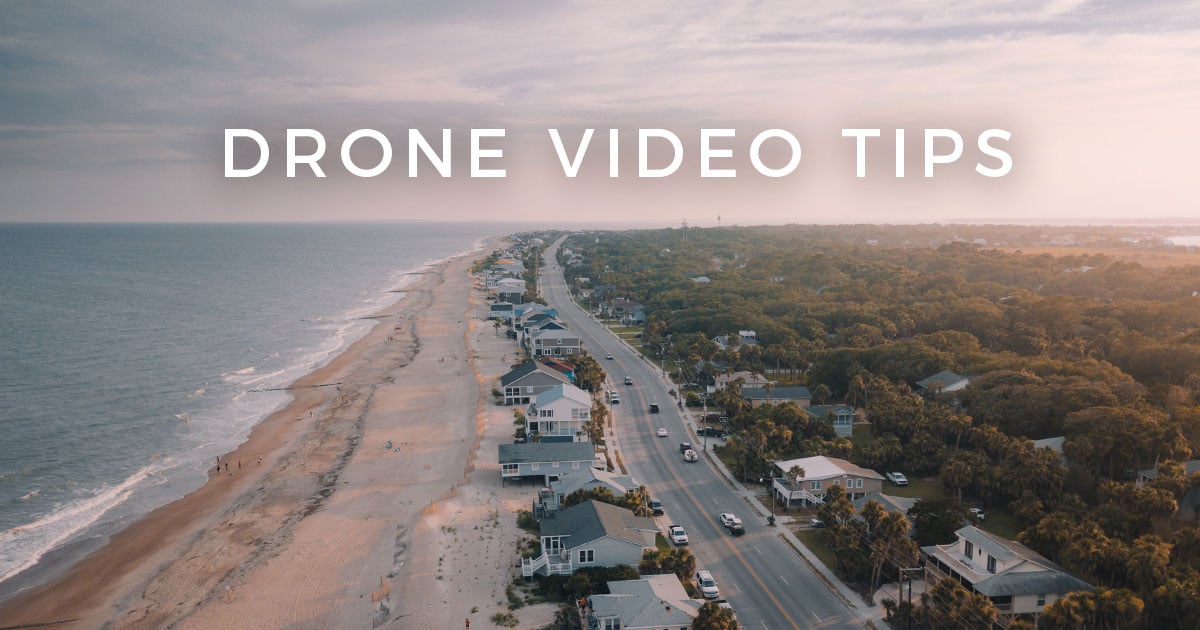
Incorporating drones into video creation workflows has revolutionized the way filmmakers, marketers, and content creators capture dynamic and immersive footage. The aerial perspective provided by drones enables the production of visually stunning videos that were once difficult or costly to achieve with traditional methods. As drone technology continues to advance, its applications in video production are expanding, offering innovative possibilities for storytelling and promotional content.
Harnessing drone footage adds a unique dimension to videos, allowing for sweeping landscape shots, smooth tracking sequences, and complex aerial maneuvers that enhance the overall narrative. Whether for commercial advertisements, real estate tours, event coverage, or artistic projects, drones provide versatility and ease of access to elevated perspectives that elevate the quality of visual content.
Benefits of Incorporating Drones into Video Workflows
Utilizing drones in video production offers multiple advantages that significantly enhance the creative process and output quality. These benefits include increased flexibility in shot composition, cost savings compared to traditional helicopter or crane footage, and the ability to capture shots in hard-to-reach or hazardous locations safely. Drones also enable rapid setup and repositioning, which streamlines production schedules and reduces logistical complexities.
Improved Creative Freedom: Drones unlock new angles and perspectives, inspiring innovative storytelling techniques that captivate audiences.
Moreover, drones equipped with high-resolution cameras and stabilized gimbals deliver professional-grade footage suitable for a variety of media platforms. This democratization of aerial videography has made it accessible to a broader range of creators, from individual hobbyists to large production companies.
Types of Videos Best Suited for Drone Footage
Identifying the most appropriate video projects for drone footage ensures optimal use of this technology. Certain types of videos benefit significantly from aerial shots, adding depth, scale, and a cinematic quality that enhances viewer engagement.
- Real Estate Tours: Showcasing property exteriors and surrounding landscapes to attract prospective buyers with compelling visual context.
- Event Coverage: Capturing large gatherings such as festivals, weddings, and sports events from above, providing comprehensive perspectives.
- Travel and Tourism Promotions: Highlighting scenic landscapes, cityscapes, and access points to entice travelers and promote destinations.
- Documentaries and Nature Films: Documenting wildlife, natural habitats, and environmental phenomena with expansive, immersive shots.
- Commercial Advertising: Creating dynamic commercial content that emphasizes location, scale, or product features in an engaging manner.
In general, videos requiring broad spatial coverage, dramatic landscape shots, or complex tracking sequences are particularly well-suited for drone footage. These applications leverage the unique capabilities of aerial videography to create compelling visual narratives.
Essential Safety and Legal Considerations for Drone Videography
Executing drone videography responsibly involves adhering to safety protocols and legal requirements to prevent accidents and ensure compliance with regulations. Understanding the local laws governing drone operation is crucial for avoiding penalties and maintaining safe flying practices.
- Regulatory Compliance: Many countries require drone operators to register their devices, obtain permits, or pass certification exams. For example, in the United States, the Federal Aviation Administration (FAA) mandates registration for drones over 0.55 pounds and adherence to Part 107 regulations for commercial use.
- Airspace Awareness: Pilots must be aware of restricted zones such as near airports, military bases, or government facilities. Utilizing real-time airspace maps and NOTAMs ensures safe flight paths.
- Safety Protocols: Maintaining visual line-of-sight, avoiding crowds, and flying below specified altitude limits reduce the risk of accidents. Pre-flight checks of equipment and weather conditions are vital for safe operation.
- Privacy Considerations: Respect privacy rights by avoiding intrusive filming over private property or individuals without consent. Clear communication and obtaining permissions when necessary can prevent legal disputes.
Operational Safety: Always prioritize safety by following established guidelines and staying informed of evolving regulations to protect yourself and others during drone filming.
Adherence to these safety and legal considerations not only safeguards individuals and property but also upholds the credibility and professionalism of drone videographers in the industry.
Preparing for Drone Video Shoots
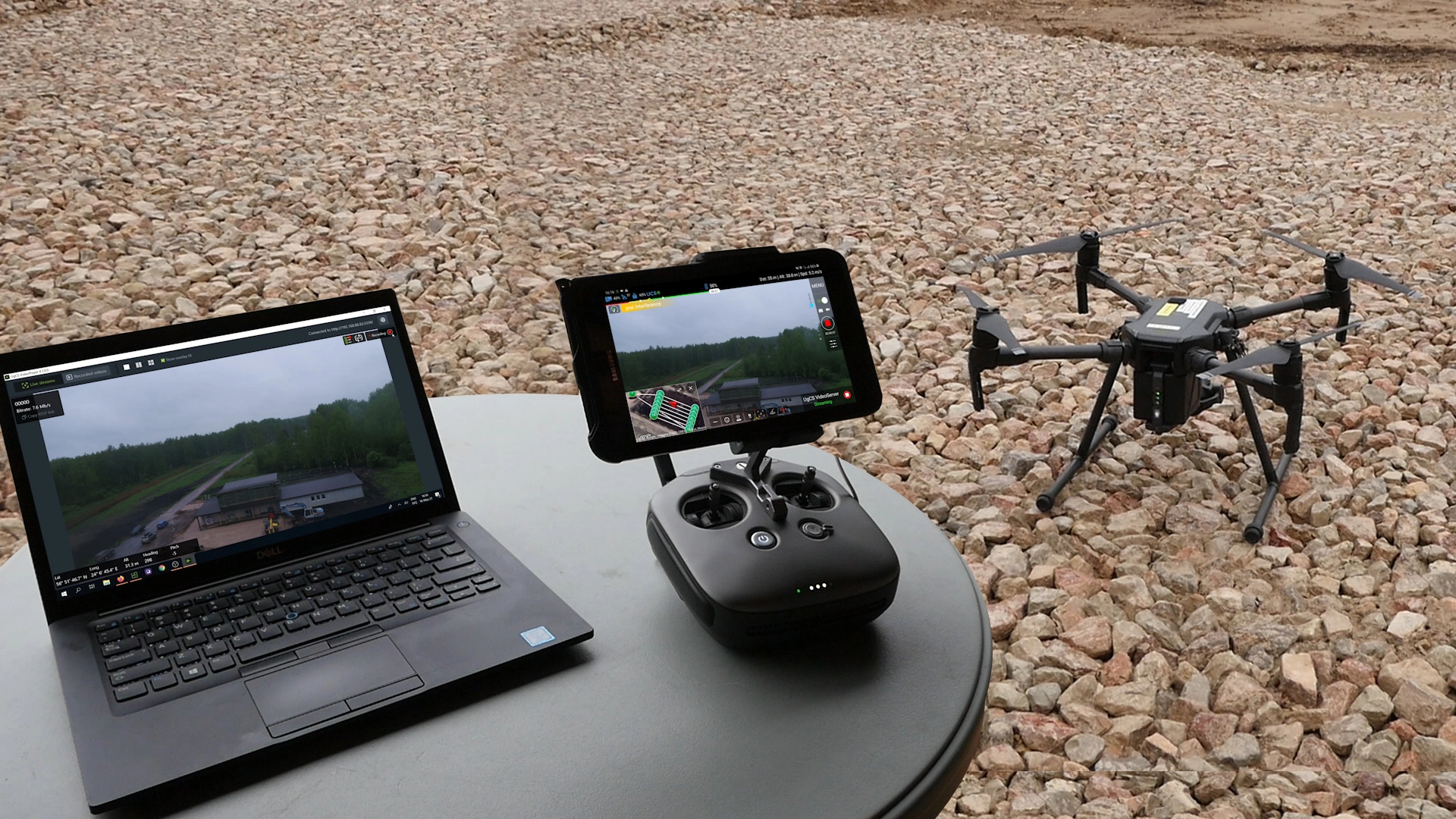
Effective planning is essential for successful drone video production, ensuring safety, legal compliance, and optimal footage quality. Proper preparation minimizes risks and maximizes the creative potential of drone filming, allowing for a smooth and efficient shoot.
This section Artikels the critical steps involved in pre-shoot planning, including selecting suitable filming locations, obtaining necessary permits, and organizing a comprehensive pre-flight checklist. Adopting a systematic approach to these elements enhances the professionalism and legality of your drone videography efforts.
Planning Drone Filming Locations
Thoroughly assessing and selecting appropriate filming sites is fundamental to capturing high-quality footage while adhering to safety standards and regulatory requirements. A well-structured plan involves evaluating factors such as accessibility, lighting conditions, potential obstacles, and environmental considerations.
Begin by researching the area using detailed maps and, if available, site-specific photography. Consider the geographic features that complement your creative vision, such as open landscapes for expansive shots or urban environments for dynamic cityscapes. It’s crucial to identify any restricted zones or sensitive areas, such as military bases, airports, or wildlife reserves, which may impose restrictions on drone flight.
- Identify potential locations based on your creative goals and logistical feasibility.
- Use mapping tools, such as Google Earth or drone-specific planning apps, to analyze terrain and obstacles.
- Assess accessibility for ground crew and equipment transport.
- Note environmental factors like wind patterns and lighting during your preferred shooting times.
- Plan alternative sites in case initial locations become unavailable or unsuitable.
Creating a detailed plan for each location ensures a smooth transition from planning to execution, ultimately saving time and reducing unforeseen challenges during the shoot.
Permits and Regulatory Compliance
Compliance with local regulations is critical to prevent legal issues and ensure safety during drone operations. Different regions and countries have specific laws governing drone flights, especially in populated areas or near airports.
Before scheduling your shoot, verify the requirements for permits, registration, and any restrictions applicable to your chosen location. Often, these regulations are managed by civil aviation authorities or relevant governmental agencies. Failure to obtain necessary permissions can result in fines, confiscation of equipment, or operational bans.
Always prioritize adherence to the rules to avoid legal complications and ensure safety for all parties involved.
Steps to ensure regulatory compliance include:
- Register your drone with the appropriate authority if required, such as the FAA in the United States.
- Apply for special permits or authorizations for flying in restricted zones or in urban environments.
- Review local no-fly zones and restricted airspace maps, which are often provided by national aviation agencies.
- Notify local authorities or airport control towers when operating near airports or sensitive areas.
- Communicate with property owners or relevant authorities if filming on private or protected land.
Staying informed about evolving regulations and maintaining proper documentation ensures lawful operations and reduces the risk of penalties.
Pre-Flight Checklist
Preparing a comprehensive pre-flight checklist is vital to ensure all equipment and safety measures are in place before takeoff. This proactive approach helps identify potential issues that could compromise safety or footage quality during the shoot.
Key elements to include in your checklist encompass battery management, camera settings, and safety gear, among others. Systematic verification of these items minimizes technical failures and enhances operational efficiency.
- Battery Preparation: Confirm that both flight and spare batteries are fully charged. Check battery health indicators and secure all batteries properly to prevent damage during transport.
- Camera Settings: Adjust camera parameters such as resolution, frame rate, shutter speed, and ISO based on lighting conditions and creative intent. Save preferred settings as presets for quick adjustments during the shoot.
- Safety Equipment and Gear: Ensure the pilot and crew are equipped with necessary safety gear, including high-visibility vests, protective eyewear, and gloves. Confirm that the remote controller, GPS, and other essential accessories are functioning correctly.
- Pre-Flight System Checks: Conduct a thorough inspection of the drone’s frame, propellers, and sensors for damage or wear. Verify GPS signal strength, compass calibration, and firmware versions are up to date.
- Environmental Conditions: Review weather conditions such as wind speed, precipitation, and visibility, to determine suitability for flight. Postpone or reschedule if conditions pose safety risks.
By meticulously executing each step of the pre-flight checklist, operators can ensure a safe, compliant, and productive drone video shoot, setting the stage for high-quality footage and a smooth production process.
Basic Drone Flight Techniques for Video
Mastering fundamental drone flight techniques is essential for capturing high-quality cinematic footage. These techniques enable videographers to produce smooth, professional-looking shots and unlock creative possibilities in drone videography. Understanding and practicing proper flight maneuvers, camera stabilization, and control of drone parameters such as altitude, speed, and angles will significantly enhance the visual impact of your videos.
Effective use of these basic techniques ensures stable footage, fluid camera movements, and dynamic scenes that engage viewers. Whether you are filming sweeping landscapes or intricate moving shots, applying proper flight methods is key to achieving a polished and cinematic result.
Fundamental Flight Maneuvers for Cinematic Footage
Below is a table outlining core flight maneuvers that serve as the foundation for capturing cinematic drone footage. These maneuvers help create diverse visual effects, facilitate smooth transitions, and enable dynamic storytelling through aerial videography.
| Maneuver | Description | Use Cases |
|---|---|---|
| Line Fly | A straight, steady flight path along a specific line or trajectory, maintaining a constant altitude and speed. | Ideal for capturing landscapes, building exteriors, or establishing shots that require a clean, linear perspective. |
| Orbit | Circular flight around a fixed point, keeping the subject centered in the frame. | Perfect for highlighting a subject, such as a landmark or person, with smooth rotational movement and consistent altitude. |
| Dolly In/Out | Forward or backward movement relative to the subject, achieved by changing the drone’s proximity. | Creates a sense of depth, emphasizing or revealing details, often used in dramatic storytelling. |
| Pan | Horizontal rotation of the drone’s camera while maintaining position, typically achieved by yaw rotation. | Effective for capturing expansive scenes or following a subject horizontally. |
| Tilt | Vertical camera movement achieved through pitch control, changing the camera angle up or down. | Used to reveal vertical elements or emphasize height differences within the scene. |
| Combined Movements | Simultaneous execution of maneuvers such as orbit with tilt or pan combined with dolly. | Creates dynamic, cinematic shots with complex motion paths that add visual interest. |
Achieving Smooth Camera Movements and Stable Shots
Producing professional-quality footage relies heavily on smooth camera movements and stability. Several techniques and tools can help achieve this, whether operating manually or using drone features designed for stabilization.
- Utilize Gimbal Stabilization: Most drones are equipped with 3-axis gimbals that counteract drone movement, ensuring steady footage even during complex maneuvers. Proper calibration and balancing of the gimbal before flight are crucial.
- Maintain Controlled Movements: Execute slow, deliberate movements rather than rapid or jerky motions. Practice smooth acceleration and deceleration to avoid sudden shifts that can cause shaky footage.
- Use Flight Modes with Stabilization Features: Enable modes such as ‘Cinema’ or ‘Tripod’ mode if available, which limit maximum speed and promote smoother control, especially for intricate shots.
- Plan and Practice Flight Paths: Pre-visualize your shots and rehearse maneuvers. Practicing in open areas reduces the risk of abrupt corrections, resulting in cleaner footage.
- Adjust Camera Settings: Use proper exposure, shutter speed, and framing to minimize the need for post-processing stabilization, and ensure the camera remains steady during flight.
Managing Drone Altitude, Speed, and Angles for Dynamic Scenes
Dynamic drone scenes require careful control over altitude, speed, and camera angles to craft engaging visual narratives. Proper management of these parameters enhances scene depth, motion, and emotional impact.
- Altitude Control: Varying altitude levels introduces vertical interest and reveals different perspectives. Lower altitudes can provide intimacy or focus on details, while higher altitudes offer sweeping vistas.
- Speed Regulation: Adjust drone speed according to scene requirements. Slow speeds are suitable for detailed shots or emphasizing motion, whereas faster speeds can convey energy or transition between scenes.
- Angles and Camera Orientation: Changing camera angles—such as tilting downward for a top-down view or upward for a sense of scale—adds drama. Use pitch, yaw, and roll controls to explore different perspectives, but do so smoothly to maintain cinematic quality.
- Combining Parameters: Coordinating altitude, speed, and angles creates dynamic scenes. For instance, transitioning from a low, slow orbit to a high-speed flyby can evoke excitement and depth.
Consistent practice in managing these aspects allows drone operators to craft sophisticated, cinematic scenes that captivate audiences and elevate their aerial videography projects.
Advanced Video Shooting Strategies
Mastering complex aerial shots elevates the quality and creativity of drone videography. Incorporating advanced techniques such as tracking, orbiting, and custom drone mounting allows filmmakers and content creators to capture dynamic, engaging footage that stands out. Coupled with optimal lighting and thoughtful shot composition, these strategies enable the production of professional-grade videos suitable for commercial projects, documentaries, or artistic endeavors.
Implementing these advanced strategies requires precise planning, technical skill, and an understanding of natural lighting conditions and spatial aesthetics. The following elements provide a comprehensive guide to achieving sophisticated aerial shots that deliver compelling visual stories.
Tracking Shots and Dynamic Movement
Tracking shots involve following a subject or moving through a scene to create a sense of motion and immersion. This technique is particularly effective when showcasing moving subjects such as vehicles, athletes, or wildlife. To execute smooth tracking shots, use a combination of GPS-assisted flight modes, such as ActiveTrack or Follow Me, and manual control for finer adjustments. Maintaining consistent altitude and speed is crucial for fluid footage.
For complex scenes, deploying multiple drones in coordinated formations can expand creative possibilities, such as capturing simultaneous tracking from different angles or creating multi-layered compositions. Stabilization settings and high frame rates further ensure footage remains smooth during rapid or intricate movements.
Orbiting and Circular Shots
Orbiting involves circling around a subject or point of interest to emphasize its importance or provide a dynamic perspective. This technique often enhances storytelling by revealing different angles and contextual surroundings. To achieve a precise orbit, plan the drone’s flight path with waypoints that maintain a consistent radius and altitude, utilizing automated flight modes when available.
Orbital shots are particularly effective when combined with slow, steady camera movements, allowing viewers to appreciate the subject in relation to its environment. Adjusting the camera’s gimbal tilt during the orbit can add dramatic effects or reveal specific details.
Drone Mounting for Unique Perspectives
Mounting the drone on specialized rigs or using innovative mounting points can unlock new filming angles and perspectives. For example, attaching the drone to a cable system or employing a stabilized gimbal extension allows for capturing shots that mimic crane or steadicam footage, adding cinematic quality.
Utilizing external mounts, such as attaching the drone to a vehicle or a moving platform, introduces motion dynamics that can be used for creative storytelling. It is essential to ensure that mounting equipment is securely fastened and balanced to prevent vibrations that could compromise footage quality.
Optimizing Lighting and Time of Day for Video Quality
Natural lighting plays a pivotal role in aerial videography. Shooting during the golden hour, shortly after sunrise or before sunset, offers warm, diffuse light that enhances colors, reduces harsh shadows, and adds depth to footage. These times also produce softer contrasts, making post-processing easier and more effective.
For scenes requiring consistent lighting, avoiding midday shoots—when the sun is directly overhead—prevents overly harsh shadows and blown-out highlights. Overcast days provide even, diffused lighting ideal for capturing detailed landscapes or architectural shots without high contrast issues.
Adjusting camera settings such as ISO, shutter speed, and white balance according to lighting conditions ensures optimal exposure. Using filters like ND (neutral density) filters can further control light intake, allowing for smoother motion blur and better image quality during bright conditions.
Shot Composition Principles for Aerial Footage
Aerial shot composition benefits from traditional principles adapted to a three-dimensional space. The rule of thirds remains fundamental, guiding the placement of key elements within the frame to create balance and visual interest. Leading lines, such as roads, rivers, or natural contours, direct the viewer’s eye toward focal points.
Elevating composition involves considering foreground, midground, and background elements to create depth and perspective. Overlapping objects can enhance depth perception, while symmetrical compositions or patterns can evoke harmony. When framing landscapes, emphasizing negative space can accentuate scale and grandeur.
Effective aerial composition balances technical skill with artistic sensibility, ensuring each shot communicates its intended story while maintaining visual aesthetic.
Utilizing these principles during planning and execution results in compelling, cinematic aerial footage that captures the viewer’s attention and enhances storytelling impact.
Post-Production Workflow for Drone Footage
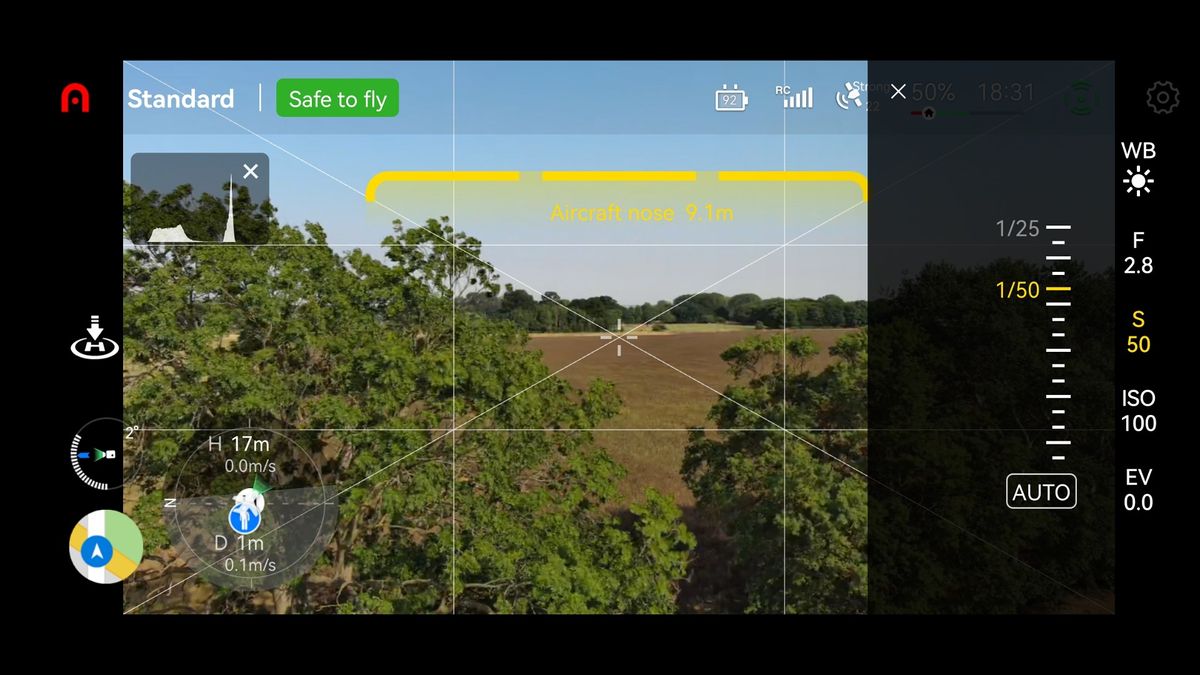
Transforming raw drone footage into polished, captivating videos requires a systematic post-production workflow tailored specifically for aerial imagery. The unique characteristics of drone footage—such as wide dynamic range, high resolution, and often complex camera movements—necessitate specialized editing procedures to ensure the final product is both visually stunning and professionally polished.
Effective post-production involves a series of carefully executed steps that enhance the footage’s visual appeal, stabilize shaky shots, correct color imbalances, and add creative elements like effects, music, and titles. Mastering these techniques allows videographers to maximize the impact of their aerial footage and deliver compelling visual stories that stand out.
Editing Procedures Unique to Aerial Videos
When editing drone footage, particular attention must be paid to maintaining smooth transitions and preserving the expansive perspective that aerial shots provide. This process begins with importing the footage into a suitable editing software such as Adobe Premiere Pro, Final Cut Pro, or DaVinci Resolve, which offer powerful tools tailored for high-resolution and high-frame-rate videos.
Initial steps include organizing clips, selecting the best takes, and trimming unwanted segments. Special focus is given to controlling motion within shots, especially when dealing with panoramic or sweeping camera movements. Using cut techniques that emphasize the grandeur of the landscape or subject helps create a cohesive narrative flow.
In addition, drone footage often includes some degree of shake or instability, necessitating stabilization to ensure smooth playback. Correcting exposure and contrast early in the editing process helps achieve a balanced visual tone, preventing overexposed skies or dark foregrounds that could distract viewers.
Stabilizing and Color Grading Drone Footage
Stabilization and color grading are critical steps that significantly influence the professionalism of drone videos. These processes help achieve a polished, cinematic look that enhances viewer engagement and highlights the aerial perspective.
Stabilizing footage involves analyzing the motion within each clip and applying algorithms that reduce jitters or unintended camera shakes. Software like DaVinci Resolve offers advanced stabilization options that analyze the entire shot and generate smooth motion paths, maintaining the integrity of the scene while minimizing disruptions.
Color grading elevates the visual quality by adjusting the color palette, contrast, and brightness to evoke specific moods or match footage shot under different lighting conditions. Using scopes such as vectorscopes and waveform monitors allows precise control over color balance and exposure. For aerial footage, techniques like gradient filters can be employed digitally to enhance skies or foreground elements, creating depth and visual interest.
Applying LUTs (Look-Up Tables) designed for aerial or landscape footage can streamline the grading process and ensure consistency across scenes. Common practices include enhancing blues and greens for natural landscapes or adding warmth to urban environments to evoke vibrancy.
Adding Effects, Music, and Titles
Creative enhancements distinguish a standard drone video from a captivating visual story. Incorporating effects, music, and titles should be done thoughtfully to complement the footage without overwhelming its natural beauty.
Effects such as slow-motion, zoom-ins, or transitions can emphasize key moments or provide visual variety. When used sparingly, these effects draw attention to focal points or transitions between different scenes, creating a seamless viewing experience.
Music selection plays a vital role in setting the tone and mood of the video. Licensing royalty-free tracks or custom compositions aligned with the video’s theme can profoundly impact viewer engagement. Synchronizing key footage with musical beats enhances emotional resonance.
Titles and captions should be clear, unobtrusive, and styled to match the overall aesthetic. They are useful for providing context, location names, or credits, and should be added in a way that respects the flow of the visuals, preferably using motion graphics for a more dynamic presentation.
In summary, a well-structured post-production workflow that emphasizes stabilization, color grading, and creative enhancements ensures that drone footage reaches its full visual potential and leaves a lasting impression on viewers.
Troubleshooting Common Issues
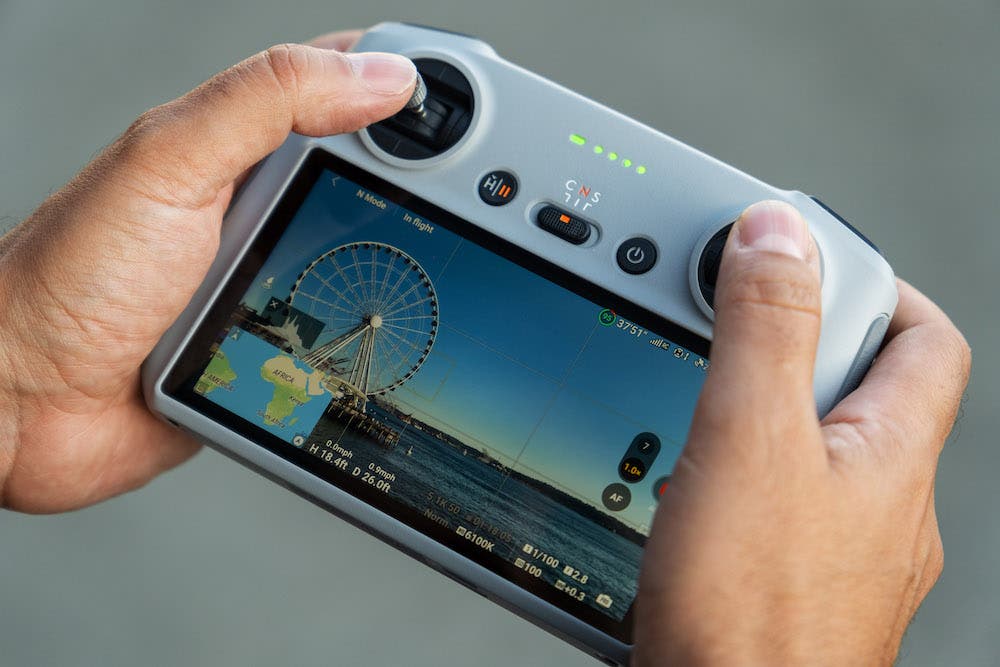
Operating drones for video production can present several technical challenges that may impact the quality and safety of your footage. Recognizing and effectively addressing these common issues ensures smooth flight operations and high-quality results. A proactive approach to troubleshooting minimizes downtime and enhances overall safety during drone filming sessions, enabling creators to focus on capturing stunning visuals with confidence.
Below are specific common problems encountered during drone video shoots, along with practical solutions and safety protocols designed to manage in-flight emergencies efficiently. Understanding these issues and their resolutions is crucial for maintaining optimal drone performance and ensuring safety for both operators and bystanders.
Battery Management Challenges
One of the most frequent technical issues during drone filming relates to battery life. Inadequate battery management can result in unexpected power loss, mid-flight shutdowns, or reduced flight time, jeopardizing the shoot and potentially causing drone crashes. Proper battery care is essential for consistent performance and safety.
- Ensure Batteries Are Fully Charged and Balanced: Always charge batteries to 100% before a shoot and verify that all cells are balanced. Use a compatible charger with proper settings to avoid overcharging or undercharging, which can degrade battery health.
- Monitor Battery Temperature: Keep batteries within the recommended temperature range (usually 20-25°C). Avoid using or charging batteries in extreme cold or heat, which can diminish capacity or cause damage.
- Implement Battery Usage Limits: Set predefined flight time limits based on the battery’s capacity, and plan to land the drone before battery levels become critically low. Keep a reserve charge as a safety margin.
- Regular Maintenance and Replacement: Inspect batteries for signs of swelling, corrosion, or damage. Replace aging or compromised batteries promptly to prevent failure during flight.
“Proper battery management extends flight time and ensures safety, preventing unexpected power failures during critical filming moments.”
Signal Loss and Connectivity Issues
Maintaining a strong communication link between the drone and the remote controller is vital for safe operation. Signal loss can lead to loss of control, unintended drone movements, or crashes, especially in areas with interference or obstacles.
- Choose a Clear, Open Flight Area: Avoid flying near large metal structures, dense forests, or other sources of electromagnetic interference that can disrupt signals.
- Maintain Line of Sight: Always keep the drone within visual range to reduce the risk of losing signal and to allow for quick manual interventions if needed.
- Use Frequency Management and Dual-Band Radios: Opt for drones equipped with frequency hopping or dual-band technology to minimize interference. Regularly check for channel congestion in the operating area.
- Update Firmware and Software: Keep drone firmware and control app updated to benefit from improved signal stability and bug fixes that address connectivity bugs.
“Staying vigilant about environmental interference and maintaining proper communication protocols significantly reduces the risk of signal loss.”
Image Distortion and Camera Calibration Issues
Achieving high-quality footage depends heavily on proper camera calibration and settings. Image distortion, such as fisheye effects or color inaccuracies, often results from improper setup or environmental factors.
- Calibrate the Camera Properly: Perform calibration before every shoot using the manufacturer’s recommended procedures to ensure accurate color reproduction and minimal distortion.
- Adjust Camera Settings According to Conditions: Use appropriate ISO, shutter speed, and aperture settings based on lighting conditions to prevent overexposure or grainy footage.
- Utilize ND Filters: Neutral Density filters help manage exposure in bright conditions, reducing glare and improving image clarity.
- Apply Post-Processing Corrections: Use editing software to correct lens distortion, color grading, and stabilization issues, ensuring footage meets professional standards.
“Correct calibration and camera settings are key to capturing crisp, distortion-free aerial footage that enhances storytelling.”
In-Flight Emergency Protocols
Despite thorough preparation, emergencies such as sudden loss of control, obstacle collision, or drone component failure can occur during flight. Preparedness and safety protocols are essential for mitigating risks and protecting personnel and equipment.
- Establish Emergency Procedures: Develop a step-by-step plan for in-flight emergencies, including immediate actions like activating Return-to-Home (RTH) features or manually taking control.
- Maintain a Safe Flight Environment: Always operate within the drone’s safe flight parameters and avoid risky maneuvers near people or sensitive structures.
- Use Fail-Safe Settings: Ensure that features like auto-landing, RTH, or low-battery alerts are enabled and tested regularly to act automatically during emergencies.
- Emergency Landing Protocols: In case of loss of control or imminent crash, execute controlled, safe landing procedures or guide the drone to an open area if possible, avoiding obstacles and bystanders.
“Having clear emergency protocols and safety features activated minimizes risks and ensures quick, effective responses to unexpected situations.”
Tips for Capturing Unique and Creative Shots
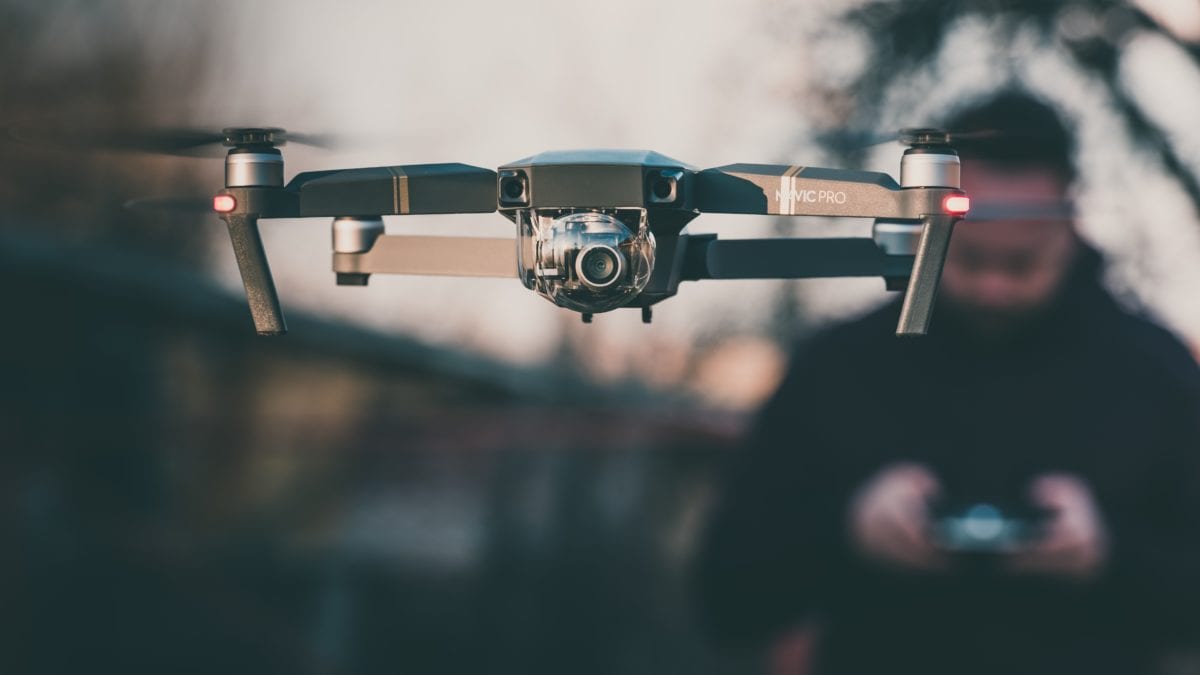
Harnessing the full potential of drone technology allows videographers to produce visually stunning and innovative footage. Creativity in drone videography involves exploring various perspectives, compositions, and technical tools to craft memorable stories through aerial imagery. Whether capturing sweeping landscapes or dynamic urban scenes, employing inventive techniques can elevate your footage and distinguish your work.
Implementing creative shot ideas and utilizing advanced accessories can transform ordinary scenes into extraordinary visual narratives. This guide offers practical tips and innovative concepts to inspire your next drone video project, emphasizing the importance of artistic expression and technical mastery.
Inspiring Shot Ideas Using Drone Capabilities
The versatility of drones offers numerous opportunities to capture captivating and unconventional shots. Incorporating these ideas into your filming repertoire can add depth, movement, and storytelling elements to your footage:
- Vertical Ascents and Descents: Gradually rising or lowering the drone to reveal expansive landscapes or intricate structures, creating a sense of scale and grandeur.
- Orbit Shots: Circling around a subject or scene to highlight spatial relationships and provide dynamic perspectives. Ideal for emphasizing architecture or natural features.
- Dolly-In and Dolly-Out Movements: Moving the drone closer or farther from a subject to create depth and focus, enhancing emotional impact or revealing context.
- Sliders and Sliding Shots: Moving laterally across a scene to showcase a panoramic view or follow a moving subject, such as a vehicle or athlete.
- Time-Lapse and Hyperlapse Sequences: Capturing changing scenery over time for dramatic effects on skies, cities, or natural phenomena, conveying movement and passage of time.
- Underwater or Low-Altitude Shots: For drones equipped with waterproof casings or designed for low-altitude flights, capturing reflections or detailed ground textures can add artistic layers.
- Sunrise and Sunset Photography: Utilizing natural lighting conditions for warm, dramatic scenes that evoke emotion and atmosphere.
Using Filters, ND Lenses, and Accessories for Artistic Effects
Enhancing the visual quality and artistic appeal of drone footage often involves the strategic use of camera filters, ND (Neutral Density) lenses, and accessories. These tools help control exposure, manage lighting conditions, and introduce creative effects that elevate your videos:
- ND Filters: Reduce the amount of light entering the lens, allowing for wider apertures and slower shutter speeds. This results in smoother motion blur in moving shots, ideal for capturing flowing water, passing clouds, or dynamic scenes with natural motion.
- Polarizing Filters: Minimize reflections and glare from water, glass, or foliage. They also enhance color saturation and contrast, making skies and landscapes more vibrant.
- Graduated ND Filters: Darken specific portions of the frame, such as the bright sky during sunrise or sunset, balancing exposure for more dramatic and well-exposed footage.
- Soft Focus and Artistic Lenses: Some accessories offer special effects like softening images for a dreamy or ethereal quality, suitable for romantic or surreal scenes.
- Gimbals and Stabilizers: Additional stabilization accessories ensure smooth and steady shots, especially during complex maneuvers or in windy conditions, allowing for more creative freedom.
- Lighting Attachments: Portable LED lights or reflectors can be used with drones for fill lighting or creative illumination in low-light scenarios, adding mood and emphasis.
Incorporating these accessories thoughtfully enables you to craft artistic effects, emphasize certain elements, and convey particular moods, thereby enriching your storytelling through aerial footage.
Storytelling Techniques Using Aerial Footage
Effective storytelling with drone footage revolves around composition, pacing, and visual narrative. Utilizing aerial perspectives offers unique storytelling opportunities that ground-based shots cannot match. Here are some techniques to enhance your narrative impact:
“Use aerial shots to establish context, create emotional resonance, and guide viewers through the story naturally.”
Begin with establishing shots that set the scene and provide spatial orientation. Transition into dynamic movements that follow action or reveal details, creating a visual flow that guides the audience’s attention. Incorporate sweeping panoramas to evoke awe or solitude, and use slow, deliberate movements to build mood and anticipation. Combining aerial footage with ground-level shots can create a layered storytelling approach, emphasizing contrasts in scale, perspective, and emotion.
For example, capturing a drone slowly ascending from a busy city street to reveal the skyline can symbolize growth, ambition, or change. Thoughtful framing, motion, and timing are essential to developing a compelling visual narrative that resonates with viewers.
Ending Remarks
Mastering how to use a drone for video can significantly elevate your content, offering unique perspectives and professional-grade visuals. By carefully planning your shoots, selecting appropriate equipment, and applying advanced filming techniques, you can create captivating videos that stand out. Embracing these practices will unlock new creative horizons and bring your visual storytelling to new heights.